Existing adult photographic reference
 Joi AI SI
Joi AI SI
An ai adult image editor transforms how you approach visual storytelling when you already have a photograph you want to evolve. Instead of describing a scene from scratch, you upload an existing adult still and write a prompt that tells the workbench what to keep and what to change. VideoAny provides an image-to-image workbench built around Seedream 5 Pro, a model configured to accept a reference image alongside your text prompt. The credit cost is shown before you generate, so you always know the investment before you commit. This page focuses on that upload-and-prompt workflow, helping you move from a single source photograph to a revised result that stays true to the person while shifting clothes, lighting, or finish.
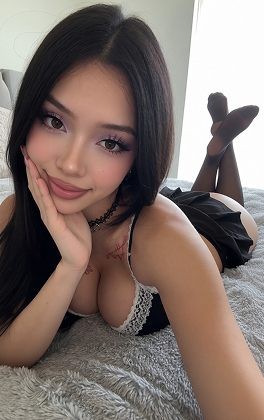
Every successful edit begins with the right model configuration. The choices you make here determine how faithfully the output honors the pose, proportions, and identity cues present in your uploaded reference.
01
Seedream 5 Pro is an image model configured in VideoAny and serves as the core engine for this image-to-image task. When you open ai adult image editor, select this model to ensure the generation reads both your uploaded reference and your text prompt together. Other configurations may interpret the same inputs differently, so locking in Seedream 5 Pro keeps your results consistent across multiple attempts.
02
Before you generate, check that the output aspect ratio mirrors the dimensions of your source photograph. If you upload a vertical adult portrait but leave ai adult image editor set to a wide landscape crop, the model may reframe the subject in ways that cut off important details. Aligning the ratio to the uploaded still keeps the composition centered on the person you want to preserve.
03
After the first generation completes, place the output beside the original reference and compare them directly. Look for shifts in facial structure, body position, or background elements that drifted further than your prompt intended. If something feels off, tweak the text prompt or crop the reference more tightly around the adult subject, then run the generation again.
ai adult image editor gives you control over specific visual elements while anchoring the output to your source photograph. Understanding which levers are available helps you write prompts that produce predictable, usable results.
01
Your uploaded adult photographic reference does the heavy lifting of defining the subject's stance, angle, and distance from the camera. The model reads these spatial cues and carries them into the new generation, so you do not need to describe body position in the prompt. Choose a reference that already holds the pose and framing you want to keep.
Use the existing adult reference to explore lighting and framing.Start Your Image-to-Image Edit
02
Write your prompt as a clear keep-and-change brief. State explicitly which elements must remain fixed—such as the person's face, hair color, or a specific piece of jewelry—and which elements may change, like the outfit, background, or lighting direction. This structured approach helps the model preserve identity while introducing the variations you actually need.
Use the existing adult reference to explore lighting and framing.Start Your Image-to-Image Edit
03
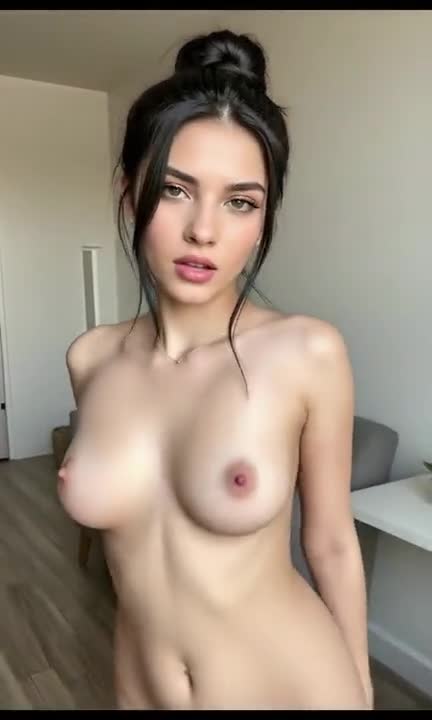
When you already have a collection of adult images that share a similar look, use one as the reference to generate a variant rather than beginning from a blank text-to-image canvas. ai adult image editor accepts your existing photograph and applies the new prompt on top of it, saving you the effort of reconstructing the entire scene from words alone.
Use the existing adult reference to explore lighting and framing.Start Your Image-to-Image Edit
An image workspace shines in situations where you need to iterate on a photograph rather than replace it entirely. These concrete use cases show when the upload-and-prompt workflow delivers more value than generating a new portrait from text.
The quality and composition of your uploaded source directly shape what ai adult image editor can produce. Certain reference types make it easier to keep the person intact while changing clothes, scene, or light.
Illustrative references. Not verified VideoAny input/output pairs.
A photograph that is already cropped close to the adult subject gives the model fewer extraneous details to misinterpret. When you upload a tightly framed portrait, ai adult image editor concentrates on the person and applies your prompt to the figure rather than spreading changes across a busy background.
Existing visual reference for composition and lighting; not a verified output from this page.
If your goal is to change an outfit and see how it falls on the entire figure, choose a reference that shows the person from head to toe. The model reads the full-body proportions and applies clothing descriptions across the whole silhouette, producing a result that works as a cohesive lookbook entry.
Existing visual reference for composition and lighting; not a verified output from this page.
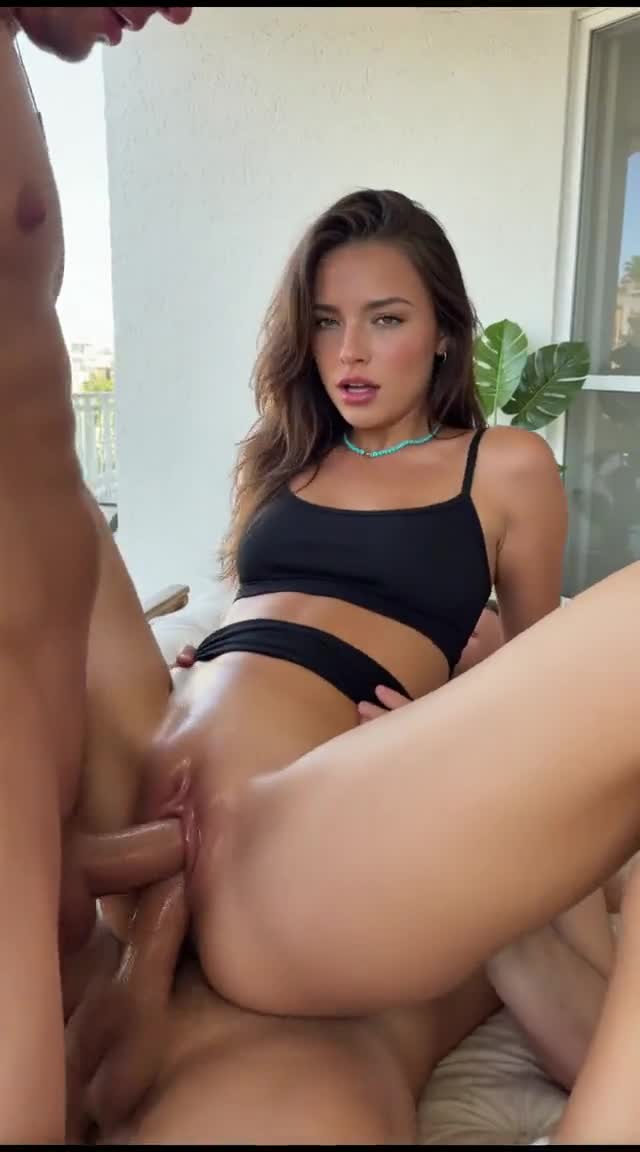
When you only need to change one element—such as swapping a background color or adding a single accessory—upload a reference that isolates that variable. A simple composition with a plain backdrop and clear subject lets the model apply your narrow prompt without introducing unintended alterations elsewhere in the frame.
Existing visual reference for composition and lighting; not a verified output from this page.
You do not need region brushes or manual masking tools to guide the edit. The way you crop your source and structure your prompt does the steering, and a few disciplined habits make the difference between a hit and a miss.
01
Remove distracting background elements before the file ever reaches ai adult image editor. When the reference image contains only the person you want to edit, the model has fewer visual signals to reconcile, and your prompt lands more directly on the figure. A clean, subject-only crop is the simplest way to improve fidelity.
02
It is tempting to write a long list of everything that must stay the same, but over-specifying can confuse the model. Identify two or three anchor traits—such as face shape, skin tone, and pose—and let the rest of the image respond to your change instructions. A shorter keep list often produces a more natural result.
03
After each generation, place the original reference and the new output side by side on your screen. Scan for subtle drifts in facial features, hand position, or edge details that might compound across multiple edits. Catching small discrepancies early keeps your iterative workflow on track.
Creator workflow notes
Working habits for a referenced adult-still rewrite, not user reviews
These notes describe common ways to run a keep-and-change pass on an authorized adult still. They are not user reviews, ratings, or promises about a specific result.
Wardrobe rewrite
Clothes workflow
Keep face, pose, and camera height. Change only the garment color or cut. If a new accessory appears, the change list was too broad.
Scene rewrite
Background workflow
Keep face, garment, and crop. Change only the wall or venue behind the person. Inspect floor contact against the upload.
Light rewrite
Lighting workflow
Keep pose and staging. Name the new light direction in one clause. Check eyes, fabric sheen, and shadows before you accept the plate.
Understanding what ai adult image editor can and cannot do helps you set realistic expectations before you spend credits. These answers cover the most frequent points of confusion for new users.
Upload one clear adult photograph that shows the person you want to edit. Beside it, write a text prompt that separates keep instructions from change instructions. For example, tell the model to preserve facial features and body position while altering the outfit and background. The current image model configuration includes NSFW image generation, so you can work with adult content as long as your reference and prompt stay within ai adult image editor's intended use.
Use one still where the adult subject is large and readable. Full-length or three-quarter photos work better than collages or tiny thumbnails. Upload only material you are authorized to edit. This workbench will not start from an empty prompt, and it will not generate video.
No. Name what must remain and what should change in clothes, scene, or light. If the first result drifts, shorten the change list rather than narrating the entire portrait.
Compare the output to your reference across three checkpoints: identity (does the person look like the same individual?), composition (did the pose and framing hold?), and prompt adherence (did the specified changes actually appear?). If two of the three pass, a small prompt tweak usually fixes the third. If only one passes, consider recropping the reference or simplifying the prompt.
Broad change language or a ratio that does not match the source can invite extra objects or limbs. Narrow the change list, match the crop, and try again.
This workflow does not provide precise edit masks, inpaint brushes, or strength sliders. You steer with notes, model, ratio, and resolution. Use a dedicated local editor if you need a region retouch. This page does not invent a new person from text.
The credit cost is shown before you generate, so you can decide whether to proceed based on your available balance. Each run consumes credits, and there is no hidden quota beyond what you see on screen. If a result is close but not perfect, adjust only the clause that failed and run the generation again rather than rewriting the entire prompt.
Not necessarily. The workbench shows the cost for the model and options selected on this path. Read that value rather than reusing a number from another tool.
Write a text-to-image brief instead. A source file will keep pulling the still toward the upload. For motion from the rewrite, continue in image-to-video. This image workspace stays on stills.
Moving from a photograph on your device to a revised output inside VideoAny follows a short, repeatable sequence. Walk through these steps once, and the workflow becomes second nature.
Open ai adult image editor and select the upload option. Choose a photograph where the adult subject is well-lit and in focus, then use the built-in crop tool to frame tightly around the person. Removing excess background at this stage gives the model a cleaner reference to work from.
In the prompt field, write two short lists: one for what must stay, one for what may change. After the prompt, confirm that Seedream 5 Pro is selected as the model, the aspect ratio matches your cropped reference, and the resolution setting aligns with your intended use. The credit cost is shown before you generate, so review it and proceed.
When the output appears, check it against your keep list first. If the face drifted, strengthen that clause in the prompt. If the outfit changed correctly but the background stayed the same, adjust only the background instruction. Running the generation again with a single targeted fix is more efficient than rewriting the entire prompt.
A few minutes of planning before you hit generate can save credits and keep your session moving forward. Lock in your brief, budget, and quality bar, then let ai adult image editor do the rest.
Vague prompts like "make it moodier" produce unpredictable results. Before your next ai adult image editor run, write down the specific elements you want to preserve and the exact changes you want to see. A frozen brief gives you a clear benchmark to measure each output against.
Decide in advance how many credits you are willing to spend iterating on a single reference photograph. The credit cost is shown before you generate, so multiply that number by your retry limit and stick to it. A hard cap prevents you from chasing diminishing returns on one image.
Define what "close enough" means for this particular edit. If you need the face to be nearly identical to the reference, that is a high bar that may require more iterations. If you only need the pose and general look to carry over, you can accept results faster and move on to the next image.
Joi AI SI
Start Your Image-to-Image Edit
A few minutes of planning before you hit generate can save credits and keep your session moving forward. Lock in your brief, budget, and quality bar, then let ai adult image editor do the rest.