Illustrated nature study
 Joi AI SI
Joi AI SI
An ai photo generator turns a written brief into a detailed visual concept, and the VideoAny workbench puts that control directly in your hands. Instead of searching for a stock image that almost fits, you describe the subject, setting, and lighting you need and let Seedream 5 Pro build a starting point you can refine. This page walks through the model controls, prompt structure, and review steps that help you move from a blank description to a consistent set of photographic stills. Every generation uses account credits, with the task cost shown in the workbench before submission, so you always know the spend before you commit.
The workbench gives you direct access to Seedream 5 Pro, the selected image model for this page. Before you type a single word, confirm the model pick, aspect ratio, and resolution so the generation matches your intended output from the first run.
01
Seedream 5 Pro is the selected image model for this page, and it is designed to interpret detailed written descriptions of a subject, scene, lighting, and composition. When you open the text-to-image workbench, confirm that this model is active before you submit a task. An ai photo generator relies on the prompt you write, so pairing the right model with a clear brief is the first step toward a usable still. Submitting a generation task requires an authenticated account, and completed tasks appear in generation history for preview and download.
02
The text-to-image workbench includes aspect-ratio controls that let you match the frame to where the still will live, whether that is a vertical story, a wide banner, or a square social post. Setting the ratio early keeps the composition intact and avoids awkward crops later. An ai photo generator can fill any shape you choose, but the framing decisions you make now determine how the subject sits in the final image. Inspect framing, subject detail, and visual consistency in each result before refining the input.
03
Use resolution only when the selected model shows it, and always check the current workbench controls before you commit a run. The task cost is displayed in the workbench before submission, so you can decide whether the resolution setting fits your credit budget for that generation. An ai photo generator processes your prompt at the chosen resolution, and changing this setting between runs helps you balance detail against cost. Generation uses account credits, and reading the cost line before every submission keeps your session predictable.
Seedream 5 Pro responds to the words you choose, the composition you describe, and the finish you request. These three features show how to move from a rough idea to a controlled visual brief.
01
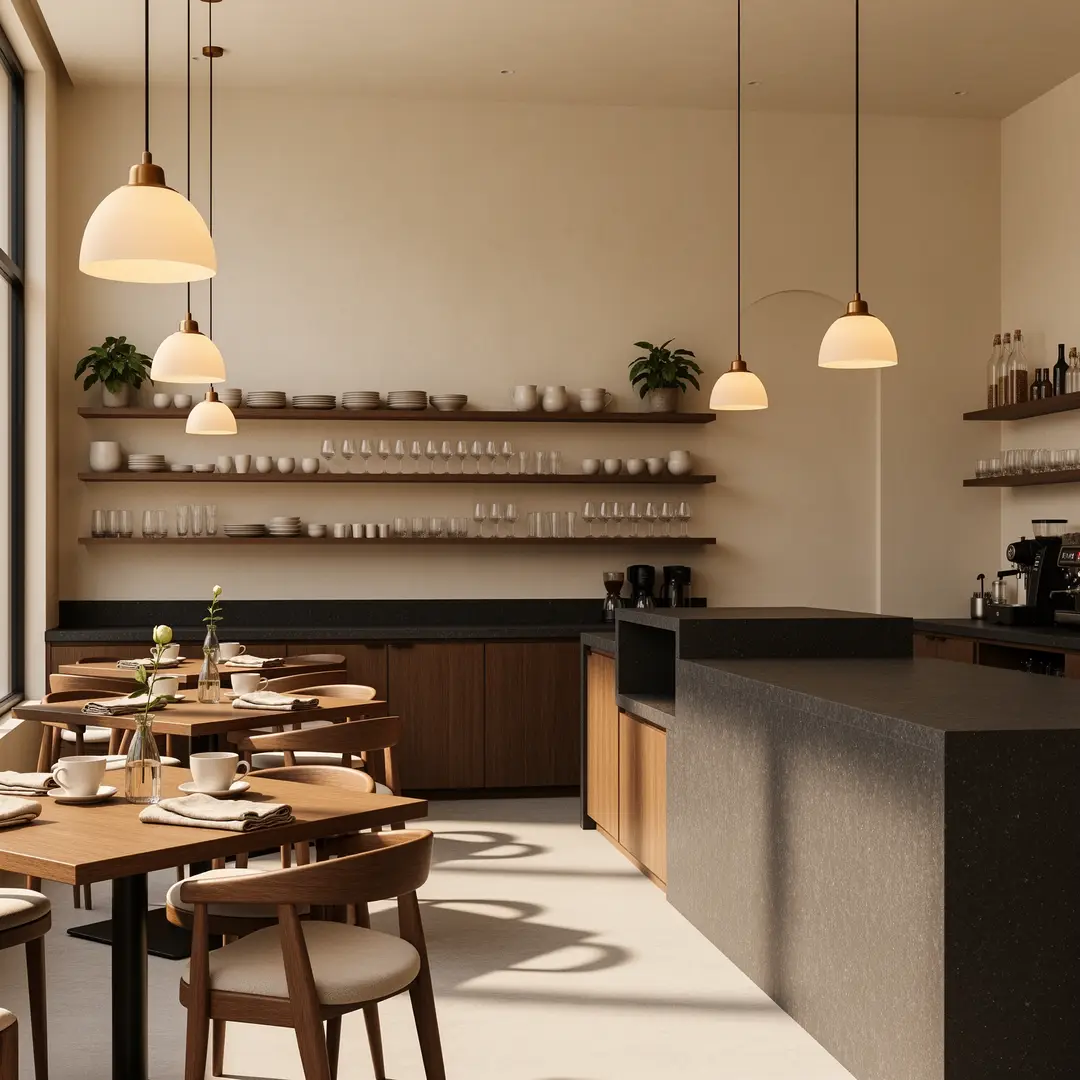
The text-to-image workflow starts from a written description of the subject, scene, lighting, and composition. For a warm boutique cafe interior with wood tables and large windows, you would name the materials, the light direction, and the depth of the space. An ai photo generator does not read your mind; it reads your prompt, so every adjective and spatial cue matters. Write useful original explanations of input choices, framing, and result review, and treat the first generation as a draft you will sharpen.
Sunlit boutique cafe interior, walnut tables, bentwood chairs, brass pendant lights, large street-facing windows, a single espresso cup on the nearest table, wide establishing shot, warm late-morning light, photorealistic architectural still, no people, no logos.Open the text-to-image workbench and start your first generation.
02
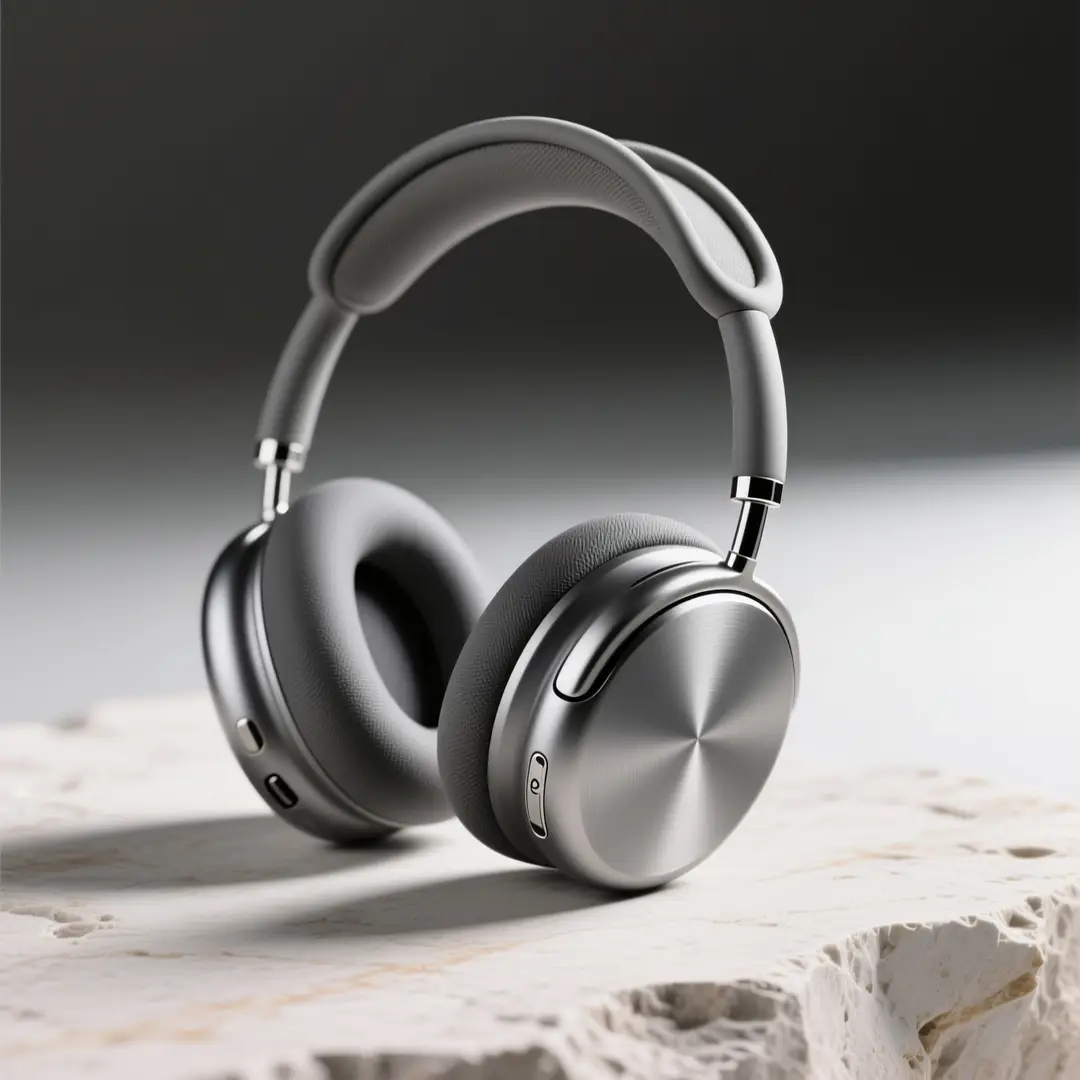
Silver over-ear headphones on pale stone against a dark studio background is a still that works because the materials, backdrop, and lighting were all specified in the prompt. An ai photo generator can hold those constants across multiple runs when you repeat the same structural clauses. Locking the composition early means you spend your credits on refining the finish, not on fixing a drifting background. Use only supported product facts for capabilities, and build your prompt around the elements you cannot fix after the fact.
Studio product still of silver over-ear headphones on pale limestone, dark seamless backdrop, three-quarter view, crisp rim light on the headband, soft fill on the ear cups, catalog photography, no extra props, no readable brand marks.Open the text-to-image workbench and start your first generation.
03
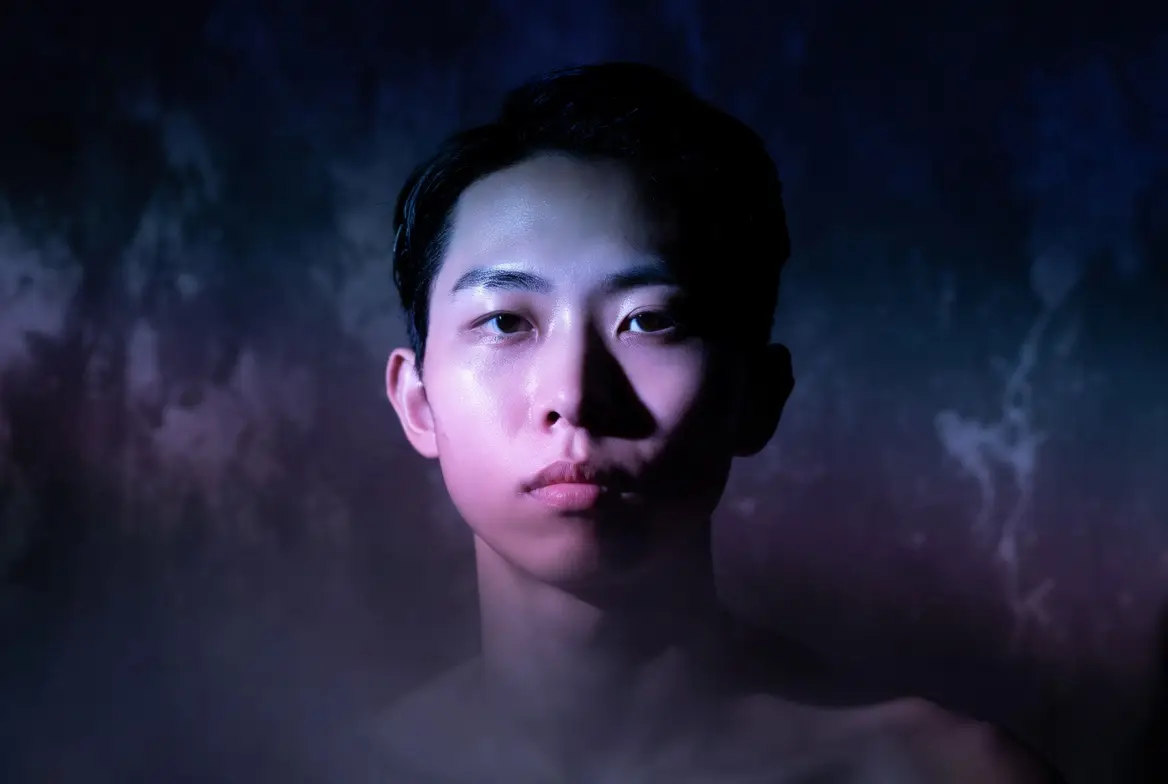
A moody adult portrait lit with purple and blue studio lighting benefits from seeing two or three interpretations of the same prompt. An ai photo generator can produce variations that differ in shadow placement, catchlight, or color temperature, and comparing them helps you decide which direction to push. Completed tasks appear in generation history for preview and download, so you can keep the drafts you want and discard the rest. Inspect framing, subject detail, and visual consistency in each result before refining the input.
Adult portrait, three-quarter crop, purple key light from camera left and cool blue fill from the right, glossy skin, dark studio void, editorial album-cover finish, sharp eyes, no jewelry logos, no text.Open the text-to-image workbench and start your first generation.
From campaign boards to lesson art, the same workbench adapts to different visual goals. Each scenario below shows how a written brief becomes a specific photographic concept.
The stills below are existing site examples that illustrate the kind of photographic concepts a detailed prompt can request. Use them as a guide for the level of specificity your own descriptions should reach.
Illustrative references. Not verified VideoAny input/output pairs.
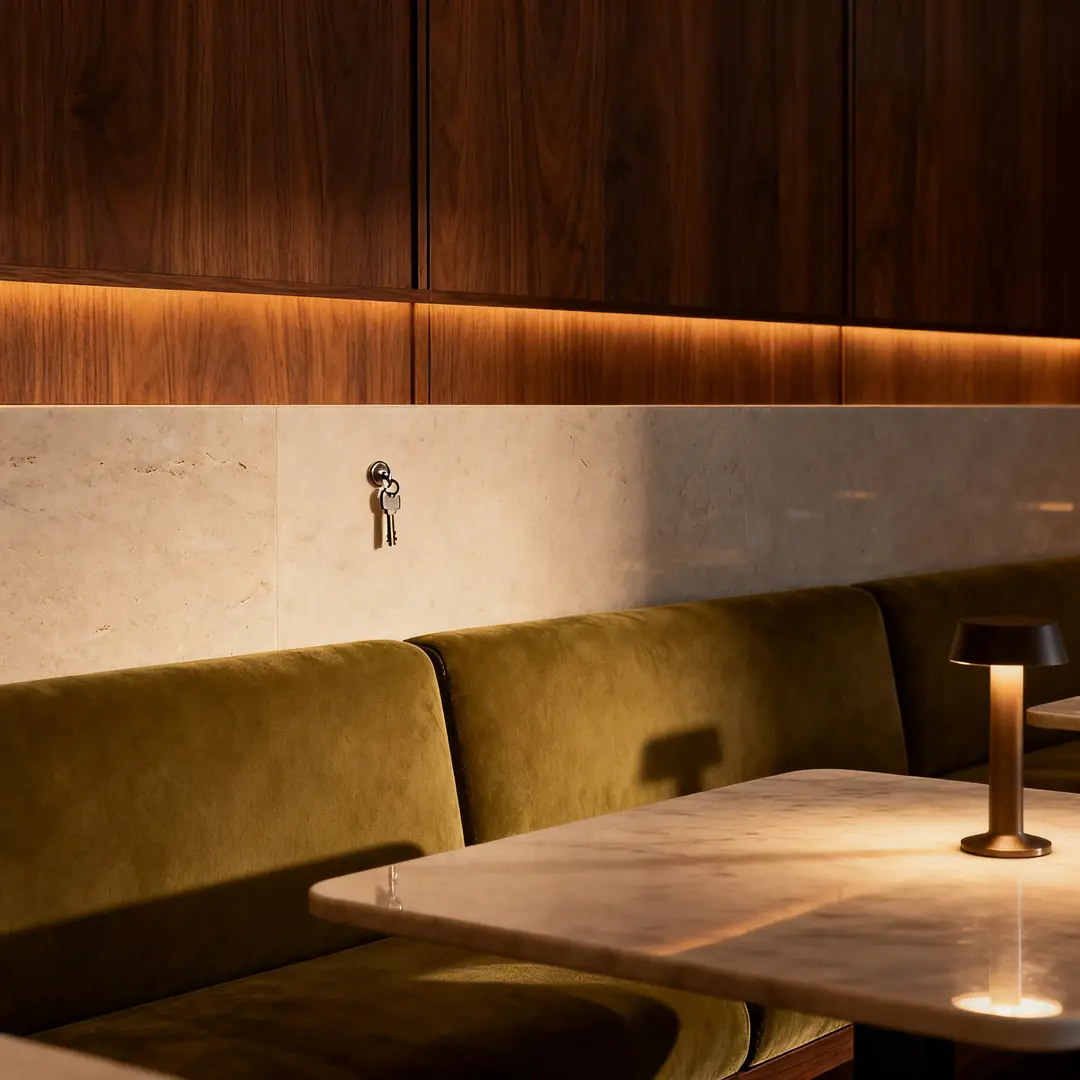
A boutique hotel lounge with warm lamps, sofas, and layered textures is a hospitality still that communicates atmosphere through material choices and light temperature. An ai photo generator can interpret a prompt that names velvet upholstery, brass fixtures, and soft overhead lighting to produce a welcoming interior concept. Reference images and clips on this page are existing site examples, not proof of outputs from the selected model, but they show how a written brief can target a specific mood.
Illustrative interior still for a written hospitality brief.

Iced coffee in a tall glass with condensation on a cafe table is a product composition that relies on surface detail and a sense of place. An ai photo generator can render the glass clarity, the liquid color, and the background blur when the prompt includes those physical descriptors. Inspect framing, subject detail, and visual consistency in each result before refining the input, and keep the destination aspect ratio in mind as you write.
Illustrative beverage still for a social-ad brief written from scratch.

A travel poster layout of a coastal city overlook with open sky for type is a composition that reserves negative space for typography. An ai photo generator can build a scenic backdrop that leaves the upper third clear, which makes it ready for a title overlay. The text-to-image workflow starts from a written description of the subject, scene, lighting, and composition, so describe the open sky area explicitly in your prompt.
Illustrative poster still. Lettering in a generated frame should be reviewed.
The difference between a usable still and a wasted run often comes down to how you structure the prompt. These three habits keep your generations on target.
01
Start every prompt by naming the main subject, the environment, and the material finish you want. An ai photo generator processes the prompt in order, so placing the most important visual facts at the beginning gives them more weight. For a photographic still, that means stating the person or object, the backdrop, and the surface quality before you add mood words. Write useful original explanations of input choices, framing, and result review, and keep the opening clause tight.
02
When you need multiple stills that feel like part of the same set, repeat the lighting, backdrop, and color palette clauses in every prompt. An ai photo generator will produce more consistent results when the structural language stays the same across runs. Change only the subject or the prop placement, and leave the environmental description locked. Inspect framing, subject detail, and visual consistency in each result before refining the input.
03
Generation uses account credits, and the task cost is shown in the workbench before submission. Before you hit retry on a near-miss still, check whether a small prompt edit would cost less than a full rerun at a higher resolution. An ai photo generator rewards precise adjustments, and reading the cost line keeps your session within the budget you set. Submitting a generation task requires an authenticated account, and completed tasks appear in generation history for preview and download.
Creator workflow notes
Working habits for a written still, not user reviews
These notes describe common ways to run a written brief. They are not user reviews, ratings, or promises about a specific result.
Campaign board pass
Concept workflow
Write talent, location, and product in three sentences. Generate two competing crops. Keep the frame that already holds the idea, then change only light or wardrobe.
Lesson illustration pass
Education workflow
Quote the source paragraph beside the prompt. Name the object that carries the idea. Reject any still that adds props the paragraph does not mention.
Catalog look pass
Product workflow
Lock silhouette, material, and surface first. Explore lifestyle context only after a clean pack shot exists. Stop when the object is readable, not when the mood feels expensive.
These answers cover the written brief, steering the output, and managing credits, all based on the current VideoAny workbench and Seedream 5 Pro.
The text-to-image workflow starts from a written description of the subject, scene, lighting, and composition. An ai photo generator interprets the prompt you provide, so a useful brief names the main subject, the setting, the light direction, and the material finishes. Write useful original explanations of input choices, framing, and result review, and avoid vague adjectives that the model cannot translate into a visual decision. Reference images and clips on this page are existing site examples, not proof of outputs from the selected model, but they show the level of detail a prompt can include.
Name the subject, setting, light source, and at least one material finish. A prompt that says only "portrait" leaves too many decisions unmade, while a prompt that specifies hair color, backdrop texture, and key light direction gives the model a clear target.
Yes. The text-to-image workflow starts from a written description, so you do not need an existing photo. Describe the subject, scene, lighting, and composition in words, and Seedream 5 Pro will build the still from that brief.
An ai photo generator produces a result based on the prompt you submitted, and small changes to that prompt can shift the output in a predictable direction. Inspect framing, subject detail, and visual consistency in each result before refining the input, and rewrite only the clause that needs adjustment. Completed tasks appear in generation history for preview and download, so you can compare the before and after versions side by side.
A long prompt can dilute the weight of individual clauses. Try moving the ignored detail to the beginning of the prompt and removing competing descriptions that might confuse the model.
Repeat the lighting, backdrop, and color palette clauses in every prompt. Change only the subject or prop placement, and keep the environmental description identical across the series.
Submitting a generation task requires an authenticated account, and generation uses account credits with the task cost shown in the workbench before submission. An ai photo generator processes each task individually, and completed tasks appear in generation history for preview and download. Use only supported product facts for capabilities, and check the cost line before every submission to stay within your planned budget.
The task cost is displayed in the workbench before submission. Review that cost line each time you change the model, aspect ratio, or resolution settings.
Download the still from your generation history and consider using a related tool to rewrite the prompt from the file or to turn the approved still into a motion test.
Follow these three steps to move from a blank workbench to a set of photographic concept drafts you can compare and refine.
Open the text-to-image workbench and write your prompt as if you were leaving production notes for a photographer. Name the subject, the setting, the key light, and the finish. An ai photo generator works best when the prompt reads like a shot list, not a poem. Write useful original explanations of input choices, framing, and result review, and keep the language concrete. The text-to-image workflow starts from a written description of the subject, scene, lighting, and composition, so every word should earn its place.
Confirm that Seedream 5 Pro is selected, set the aspect ratio to match your destination, and adjust resolution only when the model shows the option. An ai photo generator displays the task cost in the workbench before submission, so read that number before you generate. Generation uses account credits, and submitting a task requires an authenticated account. Completed tasks appear in generation history for preview and download once the run finishes.
Run two or three generations from the same prompt, then open the results side by side. An ai photo generator can produce variations in shadow, color temperature, and detail placement, and comparing them helps you identify which clause to adjust. Inspect framing, subject detail, and visual consistency in each result before refining the input, and rewrite only the part of the prompt that needs correction. Reference images and clips on this page are existing site examples, not proof of outputs from the selected model.
Before you close the workbench, set yourself up for a faster, more predictable session next time. These three habits turn a one-off generation into a repeatable workflow.
Write a reusable prompt template that names the subject, the environment, and the material finish in three separate sentences. An ai photo generator can return to that template across multiple sessions, which saves you from rebuilding the structural language every time. Write useful original explanations of input choices, framing, and result review, and store the template somewhere you can paste it back into the workbench. The text-to-image workflow starts from a written description, so a saved template is a saved starting point.
Decide how many credits you will spend on rough concept drafts and how many you will reserve for the final high-resolution stills. An ai photo generator uses account credits for each submission, and the task cost is shown in the workbench before submission, so you can plan the split before you start. Generation uses account credits, and reading the cost line on each run keeps your exploration phase from eating into the delivery budget.
Before you generate, write down the three things the still must get right for you to stop iterating. An ai photo generator can produce endless variations, but without a clear stop condition you will spend credits chasing perfection. Inspect framing, subject detail, and visual consistency in each result, and when a still meets your three criteria, download it and move on. Completed tasks appear in generation history for preview and download, so your accepted stills are always available.

Joi AI SI
Open the text-to-image workbench and start your first generation.
Before you close the workbench, set yourself up for a faster, more predictable session next time. These three habits turn a one-off generation into a repeatable workflow.