
✦A cinematic character walks through a neon city in the rain...The camera follows the character as the lights begin to glow...
01
Keep the subject from the photo, then ask for motion
只要输入故事内容或几个关键字,Joi AI SI 就能帮助你快速搭建动态画面,适合短片、动画和电影感场景。
Joi AI SI
把故事、脚本和镜头想法变成动态画面。Joi AI SI 支持从文字开始探索不同风格与节奏,并在同一工作台中继续调整。
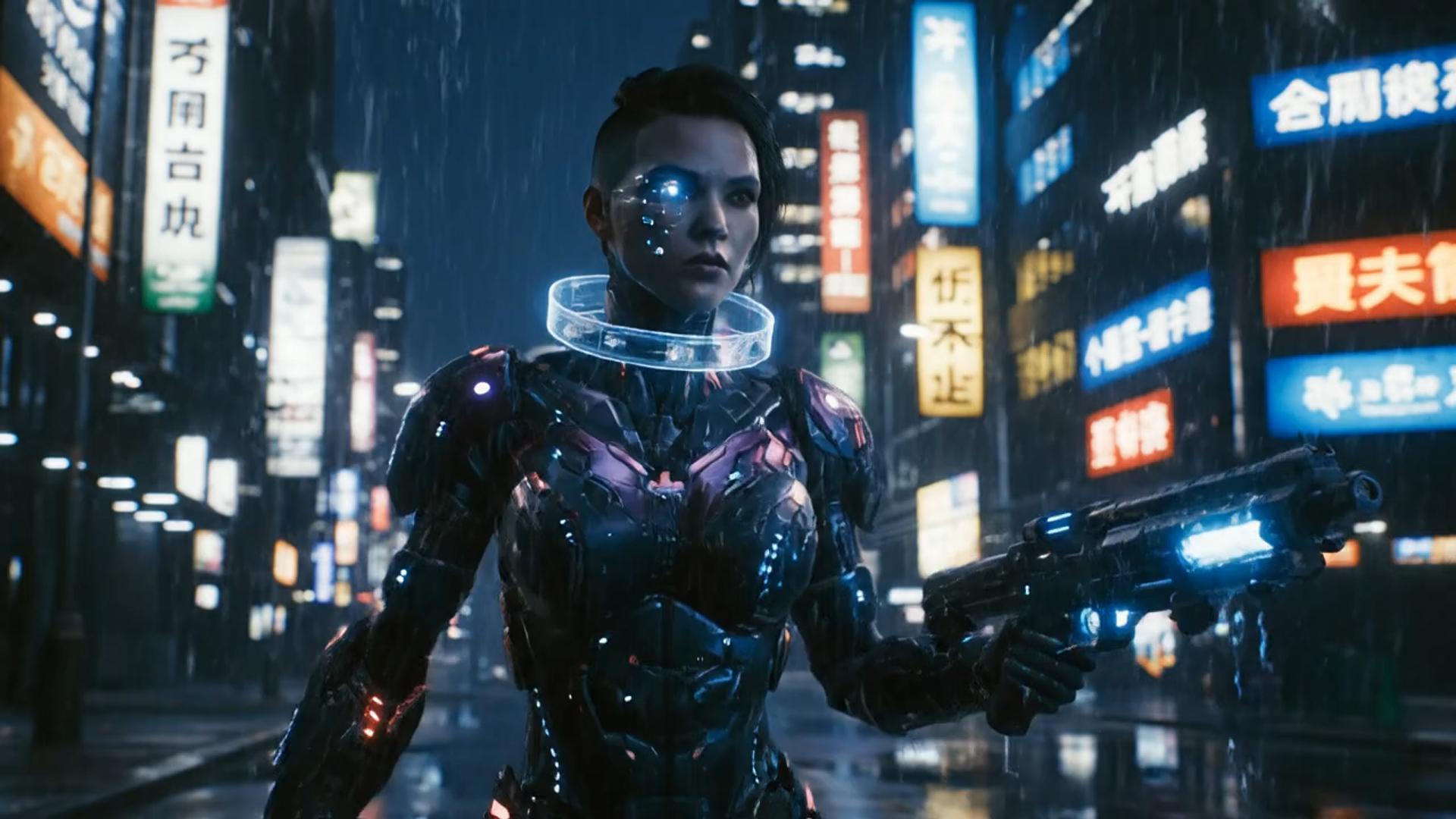
Illustrative city motion
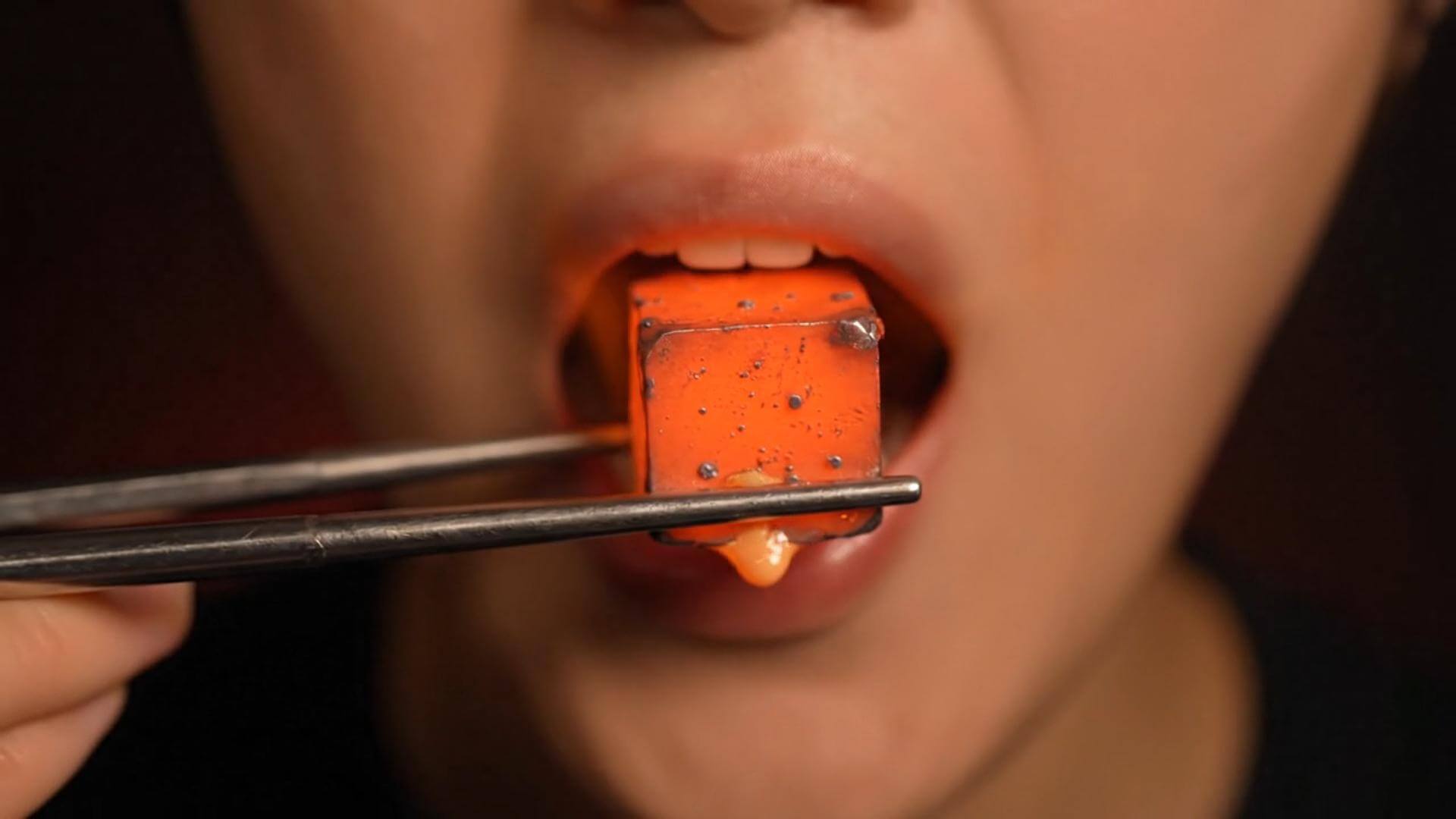
Illustrative close-up texture

Illustrative character moment
A paragraph alone will not open this photo to video path. Start with a photo that already holds the subject you want to keep, then generate. The clips below reuse the text-to-video template media; they are illustrative, not verified photo to video outputs.
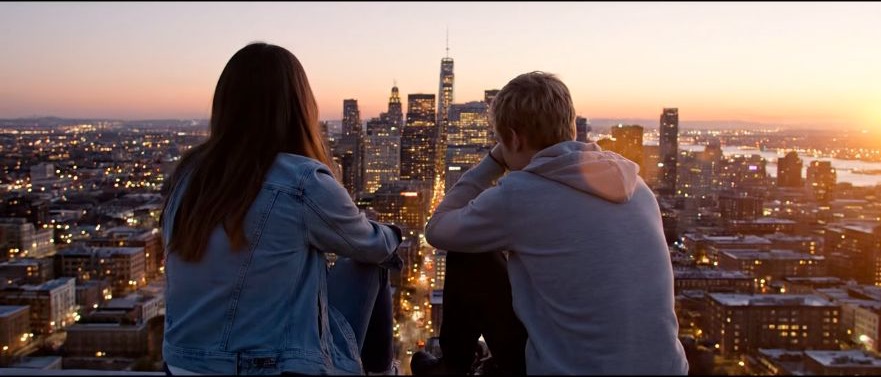
Start from the uploaded photo
你不需要一开始就写出完整分镜。Joi AI SI 会把提示词变成可观察的动态草稿,方便你继续修改主体、动作、镜头和节奏。
Keep the uploaded photo, the motion prompt, and the duration or resolution choice in one loop. Do not treat this as a blank-page text-to-video generator.
只要输入故事内容或几个关键字,Joi AI SI 就能帮助你快速搭建动态画面,适合短片、动画和电影感场景。
Stay in this photo to video workbench from upload to History. Changing length or resolution can change the displayed credit cost. Read that number before you generate again.
Name the camera, the motion, and what must not change. This page does not open a generic text-to-video catalog. Availability follows the workbench selector.
无需安装额外软件,打开 Joi AI SI 工作台即可输入提示词、查看灵感并管理生成历史。
Use this path when a photo already holds the subject you want to animate. It is not a substitute for a generic text-to-video page, and it does not promise every request will run.
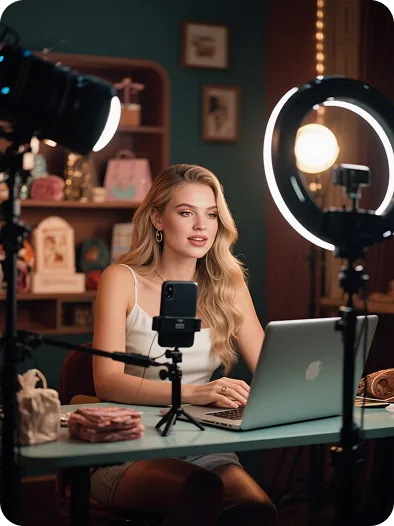
When the subject already exists in a photo, a short motion prompt is enough to test a social take. A script without a photo belongs on another workflow.

A catalog photo can take a small camera move. Compare the silhouette to the upload after every run.
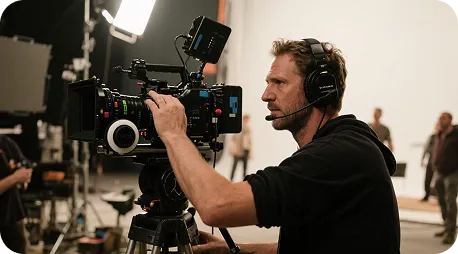
Use a locked photo to preview a camera idea before you commit to a longer shoot. The template clips are not dailies from this workbench.

Generate a few photo to video versions from the same photo, then pick a rhythm. Extra takes still spend the credits shown for that run.
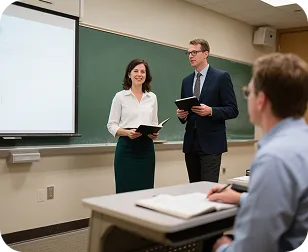
A clear photo can take a simple pan or zoom. Keep labels readable, and do not ask the page to invent a lecture from text alone.
Workbench notes
Write the keep-and-move notes first, generate, then use the draft to correct the next motion prompt. The cards below show common work habits. They are not reviews of named users, and they are not proof of a specific clip.
He Yuxuan
E-commerce advertising operator
“I keep one product photo, write a short motion prompt, generate a few takes, and pick the one whose rhythm fits the listing.”
Gu Zhiyuan
Short-form video creator
“One photo gets me to a motion draft faster than starting from a blank timeline, as long as I keep the subject honest.”
Li Peishan
YouTube creator
“I reuse the same photo and only change camera language, which makes the next photo to video take easier to compare.”
Xu Ruizhe
Student creator
“I test one motion direction at a time from the same photo instead of rewriting the whole scene.”
He Zhiyu
Founder
“One photo plus a motion prompt is a faster promo draft than building keyframes by hand.”
Wu Zhiqing
Instructor
“A diagram photo can take a simple camera move so a process is easier to show. That is a workflow note, not a classroom result claim.”
Common questions about this photo to video workbench path.
On Joi AI SI it is a photo-to-clip path, not a text-to-video engine. You upload a photo, treat it as the first frame or reference image, write a motion prompt, and generate on the locked i2v workbench. Current model and service rules still apply.
Wait time follows duration, resolution, and the current queue. After you submit, watch History for status, then preview or download when the task finishes.
The photo already holds the subject. Keep that identity, name a camera move if you need one, and avoid asking for a pose the upload never held. If the keep list drifted, simplify the next run instead of stacking adjectives.
Yes. Keep the same photo, change one camera or motion note, and generate again. Compare versions in History. A new photo is only needed when the source subject is wrong.
You can open the workbench and inspect the locked i2v tab. Available output follows your account, and the credit cost for this run is shown before you submit.
请根据所选模型的服务条款、输入素材授权和你的账户方案确认使用范围。Joi AI SI 页面不会替你承诺第三方模型的商业许可。
Three steps from an uploaded photo to a clip
Keep the uploaded photo, the motion prompt, and the credit preview in one workbench instead of bouncing between an editor timeline and a separate generator.
| Feature comparison | Joi AI SI 文字生成视频 | A generic editor |
|---|---|---|
| Ease of use | Upload a photo and a motion prompt in one workbench | Scenes and editing must be built on a timeline |
| Visual variety | Motion from the subject already in the photo, on this photo to video workbench | Fewer looks unless you change the source photo |
| Prompt reading | Reads keep / motion / camera notes against the uploaded photo | Keyword matching with little use of the photo |
| Templates and effects | Prompt-led motion from the upload; no extra template pack is promised | Fewer reusable looks after a first export |
| What this page covers | Photo to video from a photo on the locked i2v workbench | A generic editor that is not built for this path |
| Customization | Change the motion prompt, duration, or resolution, then generate again | Little room to iterate after the first export |
| Generation time | Cloud generation; wait time follows clip length and queue | Slower and dependent on local hardware |
| Output | Output follows the selected duration and resolution on this photo to video workbench | Quality and watermarks depend on the other tool’s plan |
| Use cases | Photo-to-clip takes you are authorized to animate | Usually limited to one editor job |
| Review | Finished clips land in History on this account | No shared History on this page |
| Pricing | Credit cost shown before each run; upgrade only if you need more | Higher subscription cost with less flexibility |
根据素材类型选择适合的 Joi AI SI 工作流。
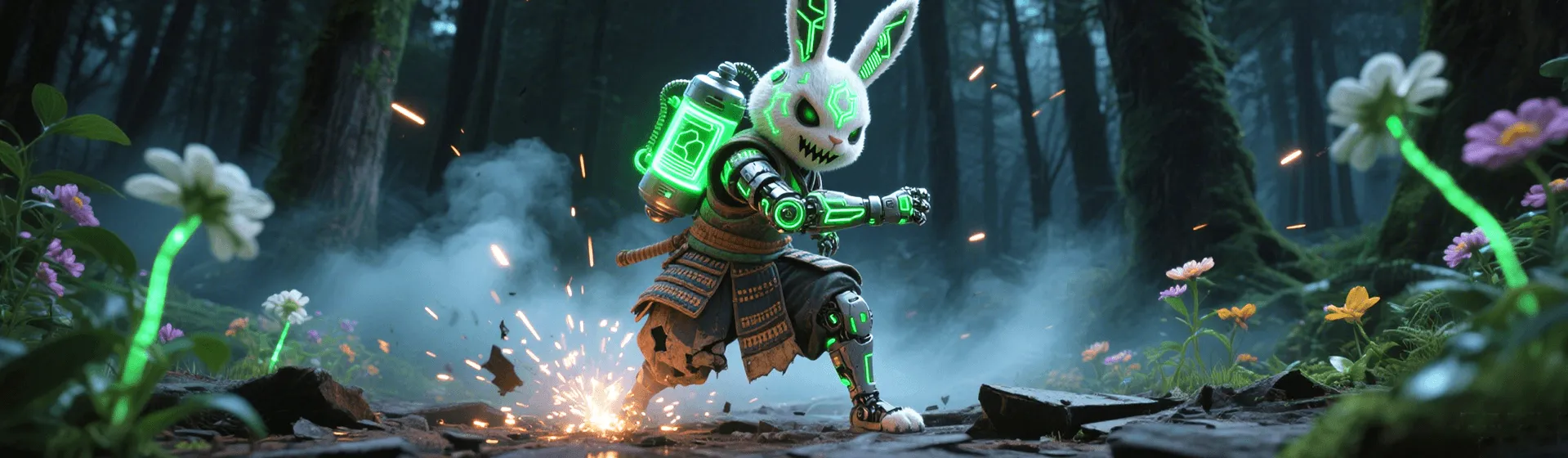
从一个镜头开始,使用 Joi AI SI 继续探索你的下一个视频创意。