Illustrated nature study
 Joi AI SI
Joi AI SI
The JoyFun AI Image Generator is a popular tool for turning written ideas into visuals, but it is not the only path to a polished still. VideoAny offers a capable alternative that lets you explore a different model and a fresh set of controls. This page walks through the text-to-image workbench powered by Seedream 5 Pro, so you can build a brief, lock your composition, and review results without switching services. Whether you are scouting a campaign look or drafting chapter art, the JoyFun AI Image Generator workflow you know can be adapted here with a few deliberate choices.
Every generation run begins with three decisions that shape the output before a single credit is spent. The workbench presents these controls together so you can lock the model, canvas, and detail level in one pass.
01
When you open the workbench, the first step is to pick a model from the current list. For this page, Seedream 5 Pro is the selected image model, and it interprets a written description of the subject, scene, lighting, and composition. The JoyFun AI Image Generator serves a different audience, but here you can explore what this alternative engine produces from the same brief. Inspect framing, subject detail, and visual consistency in each result before refining the input, because model behavior differs between services.
02
After choosing the model, set the aspect ratio to match where the still will live. A wide frame suits a hero banner, while a vertical crop fits a story or a mobile feed. The JoyFun AI Image Generator alternative workbench keeps this control visible so you can commit to a shape early. Locking the ratio before you write the prompt helps the engine distribute detail across the intended canvas, and you can compare drafts side by side without cropping surprises later.
03
The resolution control appears only when the selected model supports it, so treat it as an optional refinement rather than a default step. If Seedream 5 Pro exposes the setting, raise it for a delivery still; otherwise, let the model run at its native output. The JoyFun AI Image Generator alternative does not promise a fixed pixel count, and account credits and input settings differ between services. Read the cost line before submission and use resolution only when the task genuinely needs the extra detail.
The text-to-image workflow starts from a written description, and the controls let you translate a verbal idea into a visual brief, lock the finish, and generate concept drafts you can compare. Each feature below shows how to move from words to a reviewable still.
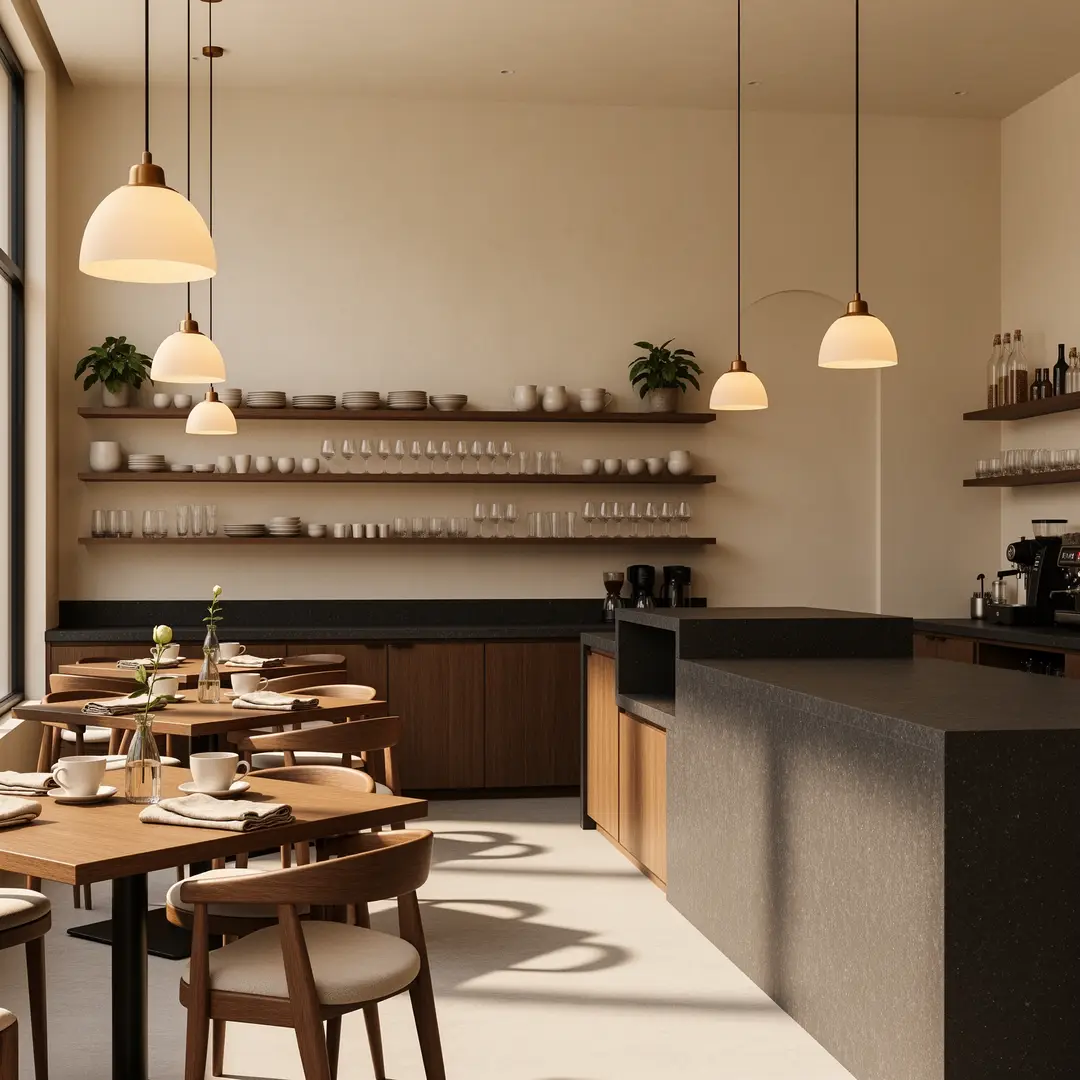
01
A warm boutique cafe interior with wood tables and large windows begins as a sentence, but the workbench needs more than a mood. Describe the subject, setting, light direction, and finish so the model has a complete brief. The JoyFun AI Image Generator alternative rewards specificity: mention the wood grain, the window light, and the depth of the room. Write useful original explanations of input choices, framing, and result review, then submit the task once the brief feels production-ready.
Sunlit boutique cafe interior, walnut tables, bentwood chairs, brass pendant lights, large street-facing windows, a single espresso cup on the nearest table, wide establishing shot, warm late-morning light, photorealistic architectural still, no people, no logos.Open the workbench and type your first production brief.
A text-to-image workbench earns its place when it solves a real production need. The scenarios below show how to apply the same controls to campaign boards, lesson art, and look exploration.
The stills below are existing site examples that illustrate creative decisions you can make with the workbench. Use them to study framing, light, and composition before you write your own brief.
Illustrative references. Not verified VideoAny input/output pairs.
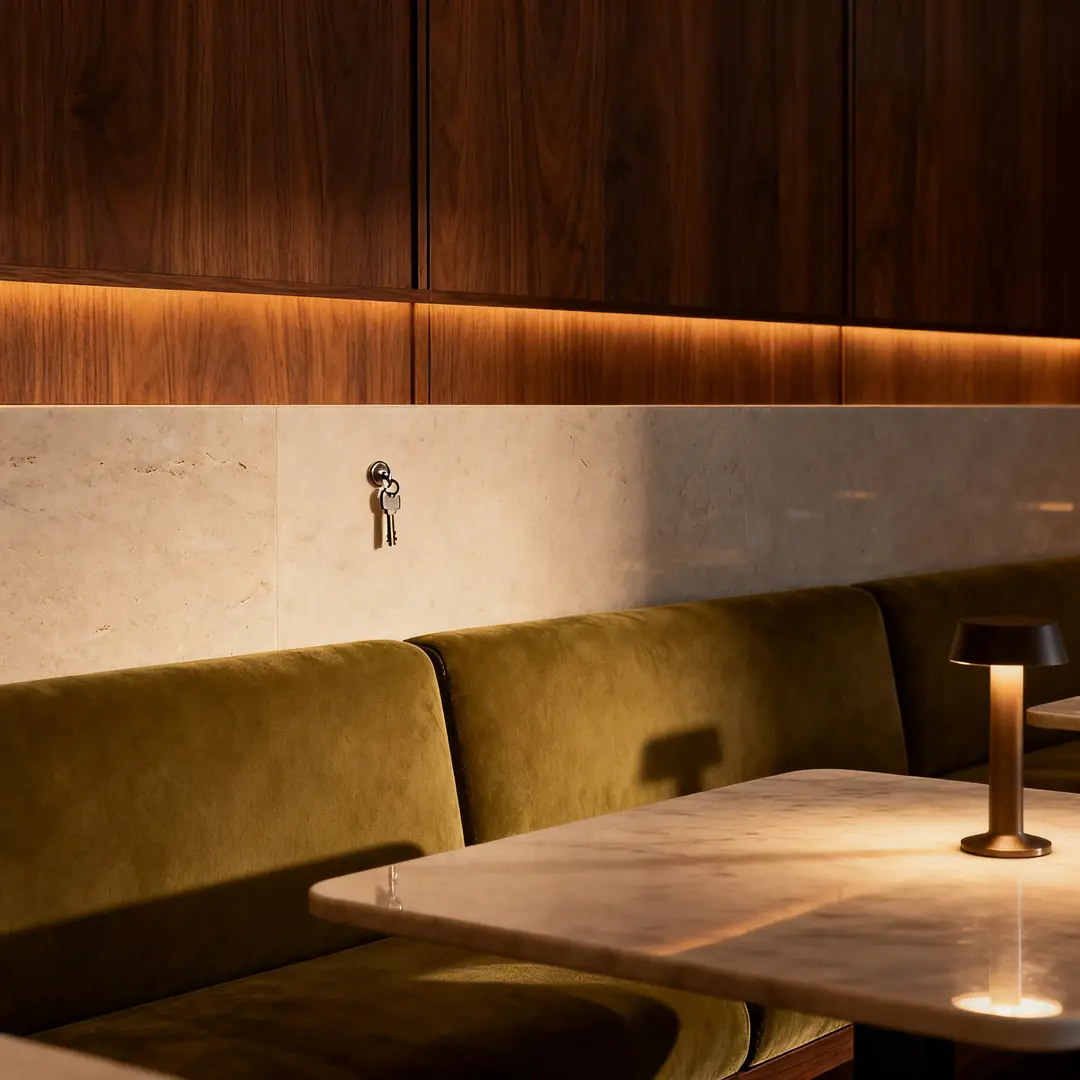
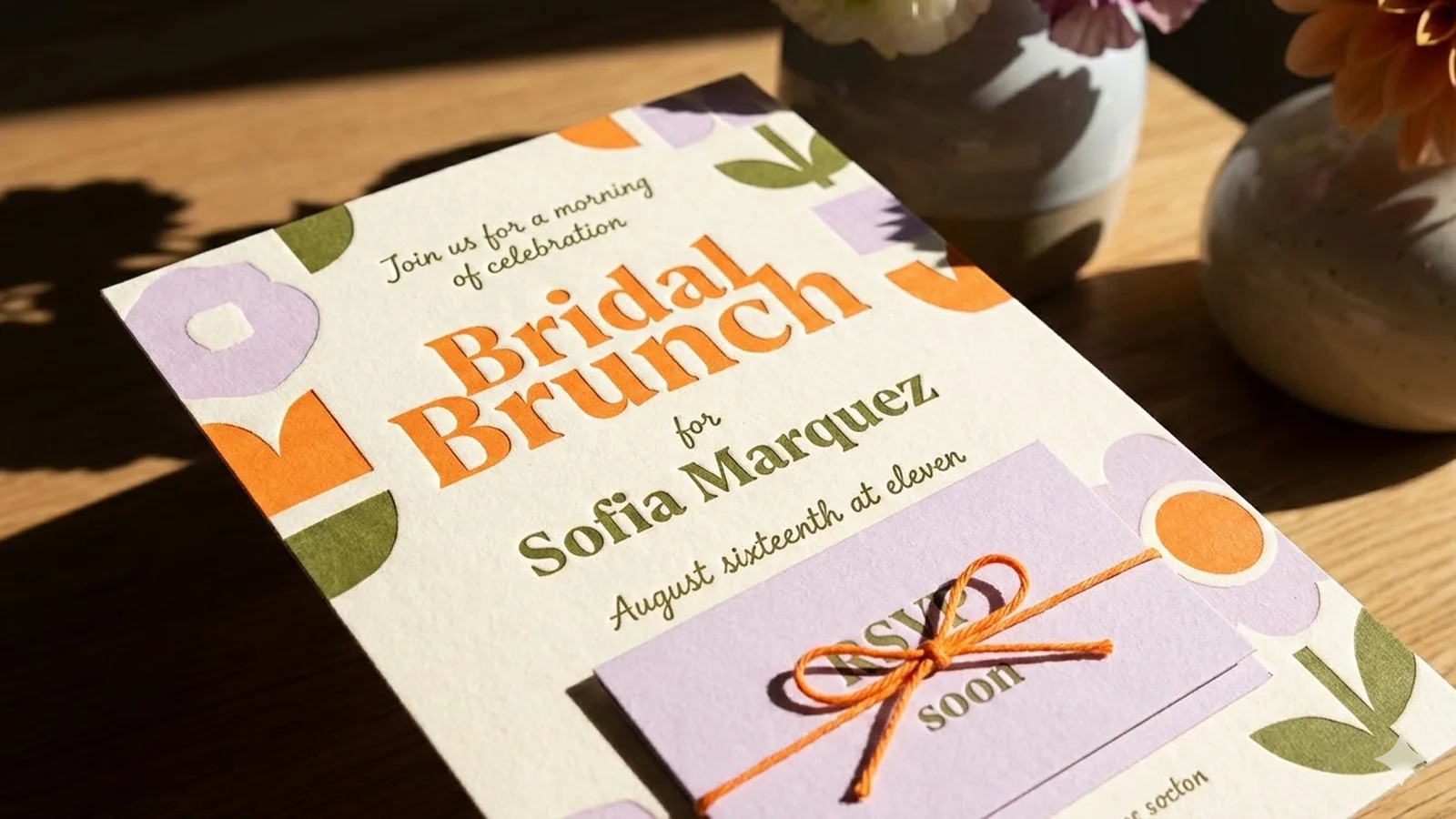
A boutique hotel lounge with warm lamps, sofas, and layered textures asks the model to balance multiple surfaces in one frame. The JoyFun AI Image Generator alternative workbench can attempt this when the prompt lists each texture and its light source. Study how the lamps create pools of warmth and how the sofa fabric reads against the rug. Reference images and clips on this page are existing site examples, not proof of outputs from the selected model, so use them as a composition guide.
Illustrative interior still for a written hospitality brief.

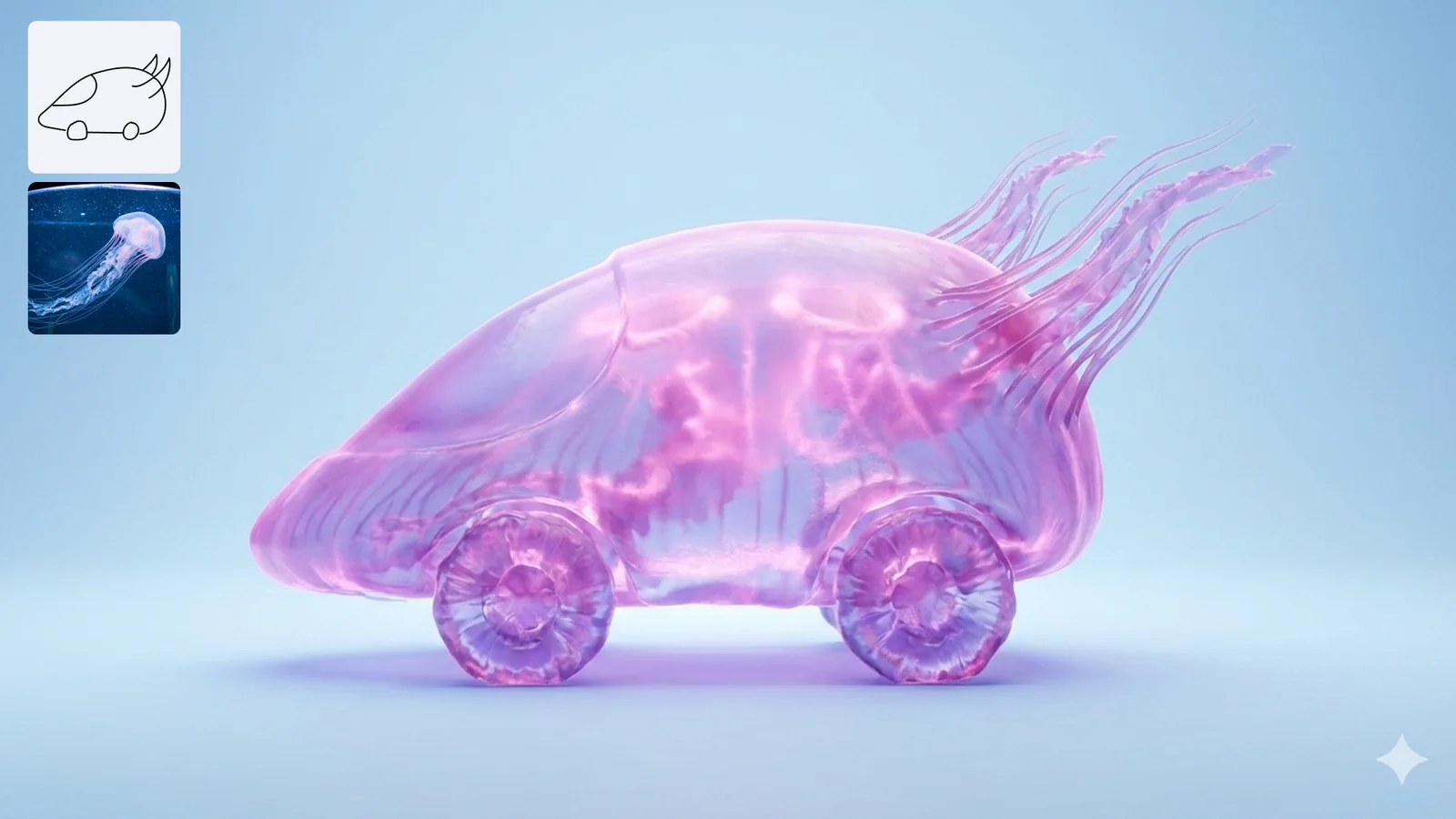
An iced coffee in a tall glass with condensation on a cafe table is a still that lives or dies on surface detail. The JoyFun AI Image Generator alternative prompt should name the glass material, the condensation beads, and the table surface. Generate a draft, inspect whether the moisture reads as fresh, and refine the description if the glass looks dry. Completed tasks appear in generation history for preview and download, so you can keep the version that feels most tactile.
Small changes to how you write and review a prompt can lift the hit rate of your generations. The tips below focus on subject clarity, series consistency, and credit awareness.
01
The most reliable prompts open with the subject, then the setting, then the finish. Instead of a vague mood, write a sentence that names the person or object, the environment, and the light quality. The JoyFun AI Image Generator alternative workbench interprets a written description of the subject, scene, lighting, and composition, so front-load those details. Inspect framing, subject detail, and visual consistency in each result before refining the input, and move the strongest clause to the start of the next prompt.
02
When you need several stills that feel like a set, lock the constants in every prompt. Repeat the same light direction, color palette, and background treatment across the batch. The JoyFun AI Image Generator alternative does not remember your previous run, so you must carry those constants forward yourself. Write them into a template line and paste it into each new brief, then vary only the subject or the prop. This keeps the series visually coherent without extra retries.
03
Every generation task shows its cost in the workbench before submission, and retries add up quickly. The JoyFun AI Image Generator alternative uses account credits, so make it a habit to read that line before you click submit. If a draft is close but not perfect, rewrite only one clause instead of starting over. Completed tasks appear in generation history for preview and download, so you can always return to an earlier version without spending fresh credits.
The answers below cover what belongs in a written brief, how to steer the next still, and where to find credit and download information. Each reply sticks to the product facts supplied for this page.
A strong brief names the subject, the setting, the light, and the finish in three or four sentences. The JoyFun AI Image Generator alternative workbench starts from a written description, so include concrete nouns and light direction rather than abstract moods. Write useful original explanations of input choices, framing, and result review, then submit the task once the brief feels complete. If a still ignores part of your description, inspect which clause the model deprioritized and rewrite that line for the next run.
Start with three sentences that cover the subject, the setting, and the light finish. The text-to-image workflow starts from a written description of the subject, scene, lighting, and composition, so a prompt that names these elements gives the model a complete brief. Avoid single-word prompts; instead, describe what occupies the frame and how it is lit.
Follow the three steps below to move from a blank workbench to a reviewable still. Each step uses the controls available now, without assuming features from another service.
Open the workbench and write your prompt as if you were leaving production notes for a photographer. Name the subject, the setting, the light source, and the finish. The JoyFun AI Image Generator alternative text-to-image workflow starts from a written description, so avoid shorthand. For example, a warm boutique cafe interior with wood tables and large windows becomes a prompt that lists the wood grain, the window placement, and the lamp warmth. Read the brief aloud before you submit.
With the prompt written, pick Seedream 5 Pro from the model list, set the aspect ratio to match your destination, and check whether the resolution control appears. The JoyFun AI Image Generator alternative workbench shows the task cost before submission, so read that line and confirm it fits your budget. Use resolution only when the selected model shows it, and submit the task once all three controls are locked. Submitting a generation task requires an authenticated account.
When the first still arrives, open it alongside your prompt and compare what you wrote to what the model produced. The JoyFun AI Image Generator alternative lets you generate concept drafts you can compare side by side, so run a second version if needed. If a detail is missing, rewrite only that clause and keep the rest of the prompt intact. Completed tasks appear in generation history for preview and download, giving you a clear trail of each iteration.
Before you close the workbench, lock in the habits that turn a single still into a reliable production workflow. The three actions below prepare your input, your budget, and your quality bar for the next session.
Write a template that names the subject, the setting, and the finish in three sentences, and save it outside the workbench. The JoyFun AI Image Generator alternative does not store your prompt history across sessions, so a reusable template keeps your series consistent. When you return, paste the template, adjust the subject line, and generate. This small habit saves credits and keeps your visual language coherent across multiple runs.
Decide how many credits you will spend on exploration drafts and how many you reserve for the final delivery still. The JoyFun AI Image Generator alternative shows the task cost before submission, so you can plan a batch size that fits your account. Run your exploration passes first, pick the strongest draft, and then spend the remaining budget on refining that single frame. This keeps you from burning credits on variations you will not use.
Before you generate, write down the three things the still must get right. The JoyFun AI Image Generator alternative workbench can produce many drafts, but without a clear bar you will keep retrying indefinitely. Inspect framing, subject detail, and visual consistency in each result, and stop when the still meets your written criteria. Completed tasks remain in generation history, so you can always revisit an earlier draft if you change your mind.

02
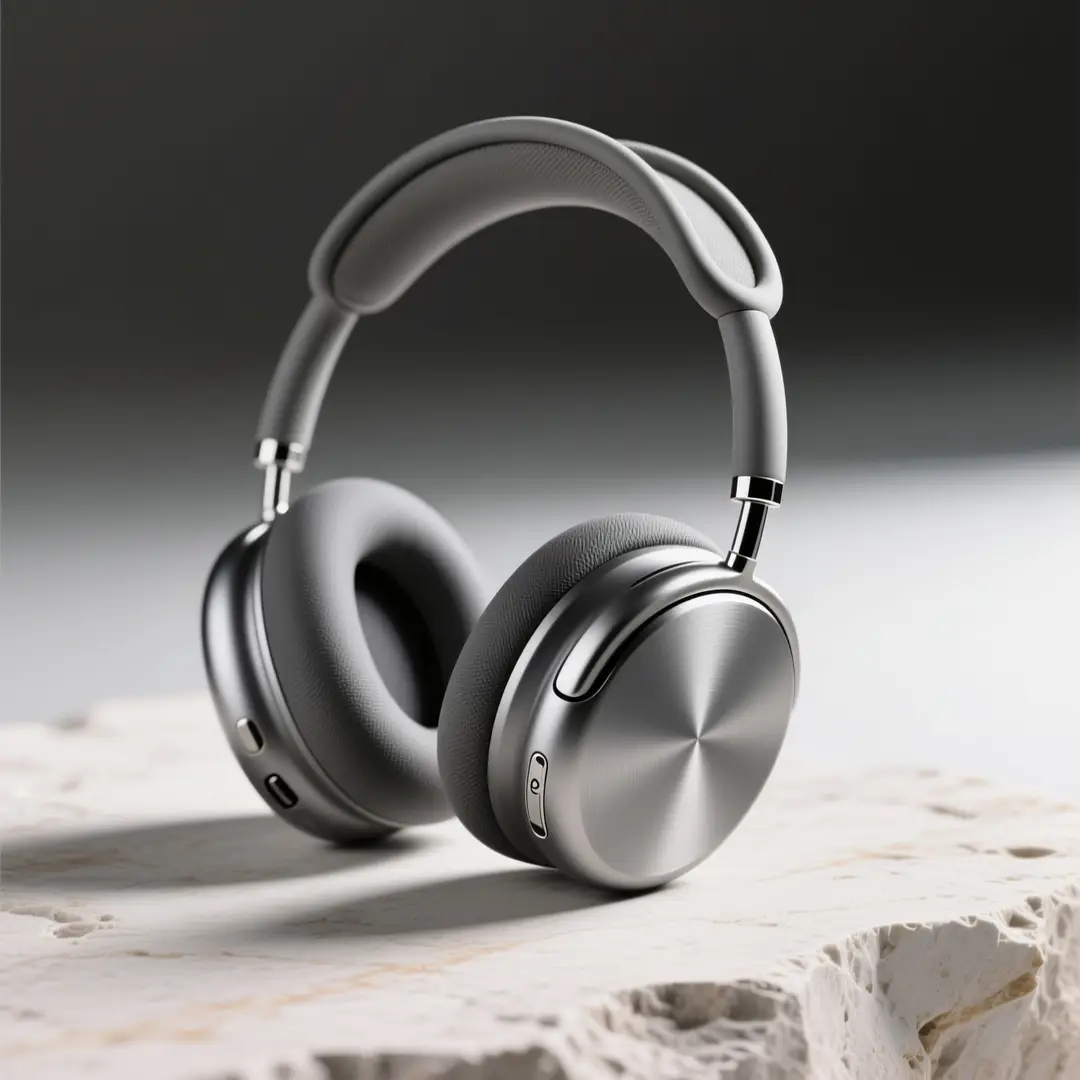
Silver over-ear headphones on pale stone against a dark studio background is a still that depends on controlled contrast. Before you generate, lock the composition by naming the product placement, the surface, and the background value. The JoyFun AI Image Generator alternative workbench lets you fix these elements in the prompt so the model does not invent a different setup. Review the credit cost shown in the workbench, submit the task, and inspect whether the light wraps the subject as intended.
Studio product still of silver over-ear headphones on pale limestone, dark seamless backdrop, three-quarter view, crisp rim light on the headband, soft fill on the ear cups, catalog photography, no extra props, no readable brand marks.Open the workbench and type your first production brief.
03
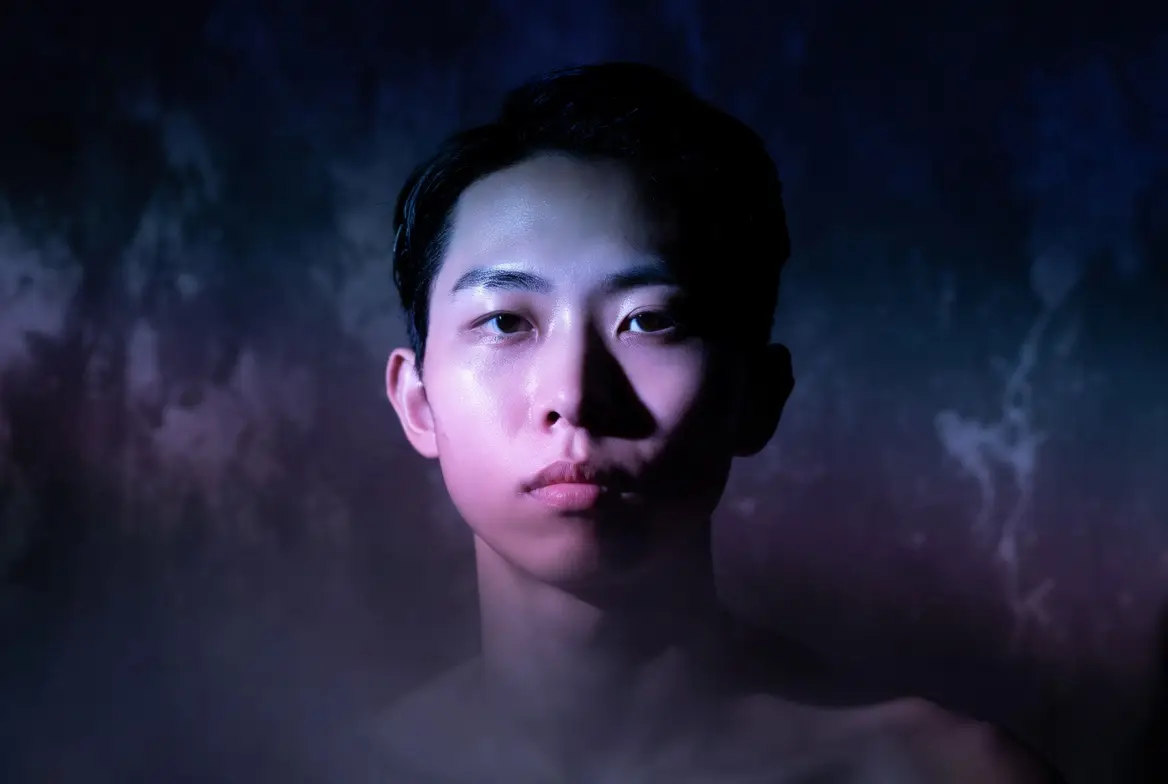
A moody adult portrait lit with purple and blue studio lighting often needs several attempts to land the right expression and shadow balance. The workbench lets you generate concept drafts and compare them side by side. The JoyFun AI Image Generator alternative does not claim access to JoyFun accounts or its models, so treat each run as a separate exploration. Completed tasks appear in generation history for preview and download, giving you a clear record of every draft.
Adult portrait, three-quarter crop, purple key light from camera left and cool blue fill from the right, glossy skin, dark studio void, editorial album-cover finish, sharp eyes, no jewelry logos, no text.Open the workbench and type your first production brief.
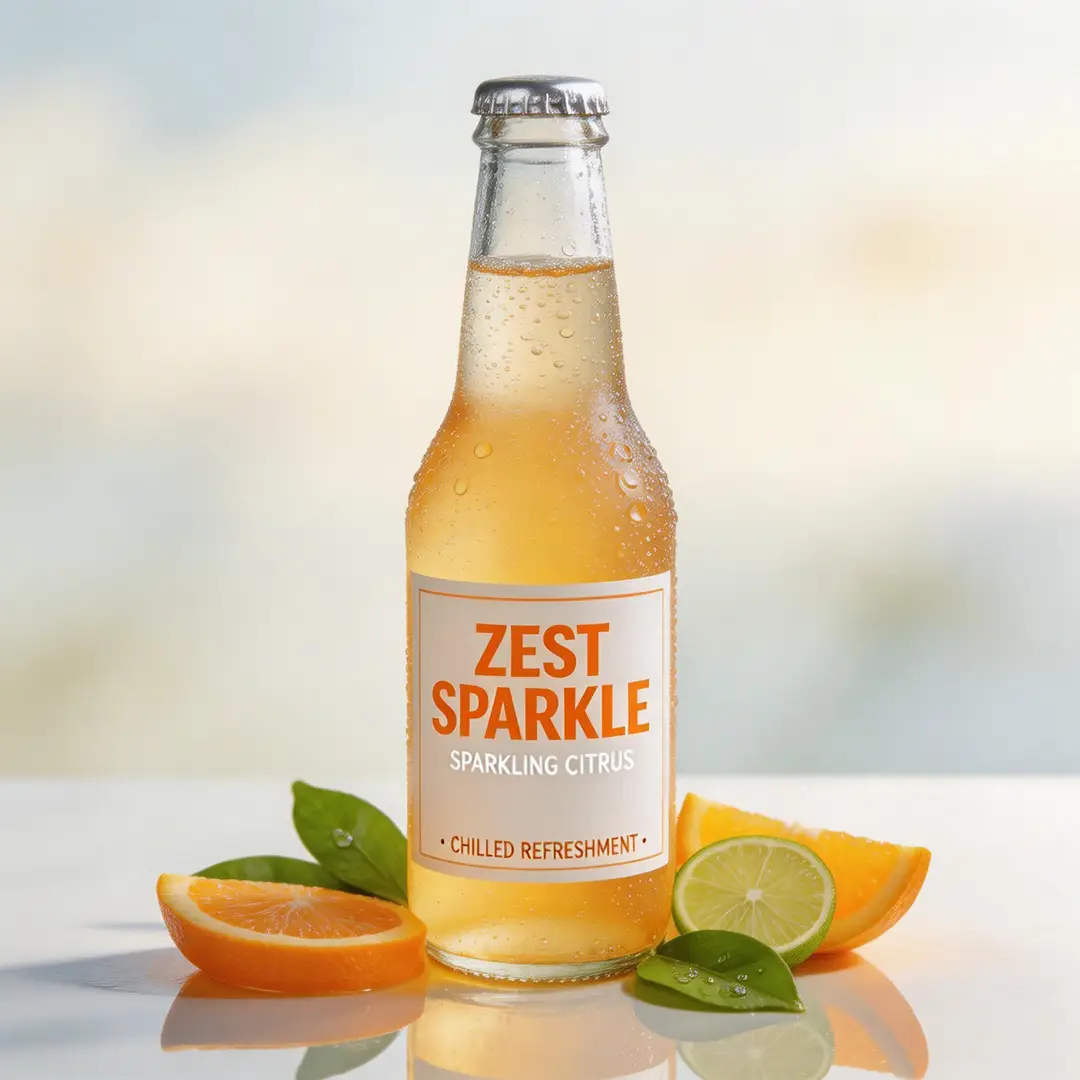
Illustrative beverage still for a social-ad brief written from scratch.

A travel poster layout of a coastal city overlook with open sky for type needs a composition that leaves negative space for text. The JoyFun AI Image Generator alternative workbench can produce a base still when you describe the overlook, the coastline, and the sky proportion. Review the result for type placement room, and if the sky is too busy, rewrite the prompt to simplify the cloud cover. This page presents VideoAny as an alternative to JoyFun AI, a separate service.
Illustrative poster still. Lettering in a generated frame should be reviewed.
Creator workflow notes
Working habits for a written still, not user reviews
These notes describe common ways to run a written brief. They are not user reviews, ratings, or promises about a specific result.
Campaign board pass
Concept workflow
Write talent, location, and product in three sentences. Generate two competing crops. Keep the frame that already holds the idea, then change only light or wardrobe.
Lesson illustration pass
Education workflow
Quote the source paragraph beside the prompt. Name the object that carries the idea. Reject any still that adds props the paragraph does not mention.
Catalog look pass
Product workflow
Lock silhouette, material, and surface first. Explore lifestyle context only after a clean pack shot exists. Stop when the object is readable, not when the mood feels expensive.
Yes. The workbench uses a text-to-image workflow that starts from a written description, so no upload is required. Type your brief directly into the prompt field, choose Seedream 5 Pro as the model, set the aspect ratio, and submit the task. Submitting a generation task requires an authenticated account.
When a draft misses the mark, the fix is usually a single clause rewrite rather than a full restart. The JoyFun AI Image Generator alternative lets you compare drafts side by side, so keep the successful parts of the prompt and adjust only the weak line. Model behavior differs between services, and this page does not claim access to JoyFun accounts or its models, so treat each generation as an independent attempt. Read the credit cost before the retry and change one variable at a time.
The model may deprioritize a clause if it conflicts with another instruction or if the prompt is very long. Inspect framing, subject detail, and visual consistency in each result, then rewrite the ignored clause with more specific nouns and place it earlier in the prompt. Generation uses account credits, so refine one line at a time.
Repeat the same light direction, color palette, and background description in every prompt. The workbench does not remember previous runs, so you must carry those constants forward yourself. Write a template line and paste it into each new brief, varying only the subject or the prop.
Every task in the JoyFun AI Image Generator alternative workbench runs on account credits, and the cost is visible before you submit. Completed tasks appear in generation history for preview and download, so you can retrieve a still without spending again. This page presents VideoAny as an alternative to JoyFun AI, a separate service, and does not claim access to JoyFun accounts or its models. Define the quality bar you will actually accept, then move the approved still into your next production step.
The task cost is shown in the workbench before submission. Check that line before every generation so you can plan your credit usage across exploration and delivery runs. Account credits and input settings differ between services.
Download it from your generation history and consider using it as a reference for a related tool. You can rewrite the still from the file instead of from memory, or turn the approved still into a motion test in a follow-up workflow. Completed tasks remain available for preview and download in your history.

Joi AI SI
Open the workbench and type your first production brief.
Before you close the workbench, lock in the habits that turn a single still into a reliable production workflow. The three actions below prepare your input, your budget, and your quality bar for the next session.