Adult fashion direction
 Joi AI SI
Joi AI SI
JoyFun AI Image to Image offers a compelling way to reimagine existing visuals, and VideoAny provides a capable alternative for this creative task. When you need to transform a reference photo into a fresh still, the right tool gives you control over composition, detail, and finish. This page explores how to achieve those rewrites using Seedream 5 Pro inside VideoAny, a separate service that accepts a source image and a description of the changes you want. Rather than starting from a blank canvas, you guide the output by stating what to keep and what to alter. The workflow suits catalog updates, room restages, and packaging refreshes where the original structure holds value. Understanding the input requirements and available controls helps you get a result that matches your brief without guesswork.
Selecting the right model and input settings determines how faithfully your reference guides the new image. The following controls let you match the tool to the job and review results with a critical eye.
01
The Seedream 5 Pro model inside VideoAny is selected for this image-to-image task, accepting a reference photo and a written description of the desired visual changes. JoyFun AI Image to Image workflows rely on a strong source, so pick a clear frame that already holds the structure you need. The workbench displays the credit cost before you submit, and completed tasks appear in your generation history for preview and download. Because JoyFun AI Image to Image is a separate service, model behavior and account credits differ; this page does not claim access to JoyFun accounts or its models. Inspect framing, subject detail, and visual consistency in each result before refining the input.
02
Keeping the aspect ratio honest to the source or the destination prevents unwanted cropping and preserves the composition you worked to capture. When you use JoyFun AI Image to Image as a reference point, the same discipline applies inside VideoAny: set the ratio control to match the original photo or the final layout where the image will live. A mismatch can force the model to invent edges or cut off important detail, weakening the rewrite. JoyFun AI Image to Image users often lock this setting early, and the workbench here gives you the same ability before you spend credits. Review the preview frame to confirm nothing essential sits outside the safe area.
03
No single pass guarantees a perfect match, so build a habit of inspecting the output against your reference and brief. JoyFun AI Image to Image tasks benefit from a side-by-side check of the source and the new still, looking for unintended additions or missing elements. In VideoAny, you can refine the description, crop the reference, or switch the model and resubmit. JoyFun AI Image to Image practitioners often iterate on a single clause rather than rewriting the whole prompt, and that approach saves credits here too. Each submission requires an authenticated account, and the task cost is shown before you commit, so you can plan retries within a set budget.
Understanding what the workbench can and cannot do helps you prepare a reference that leads to a usable result. These features cover input selection, change description, and the practical limits of the output.
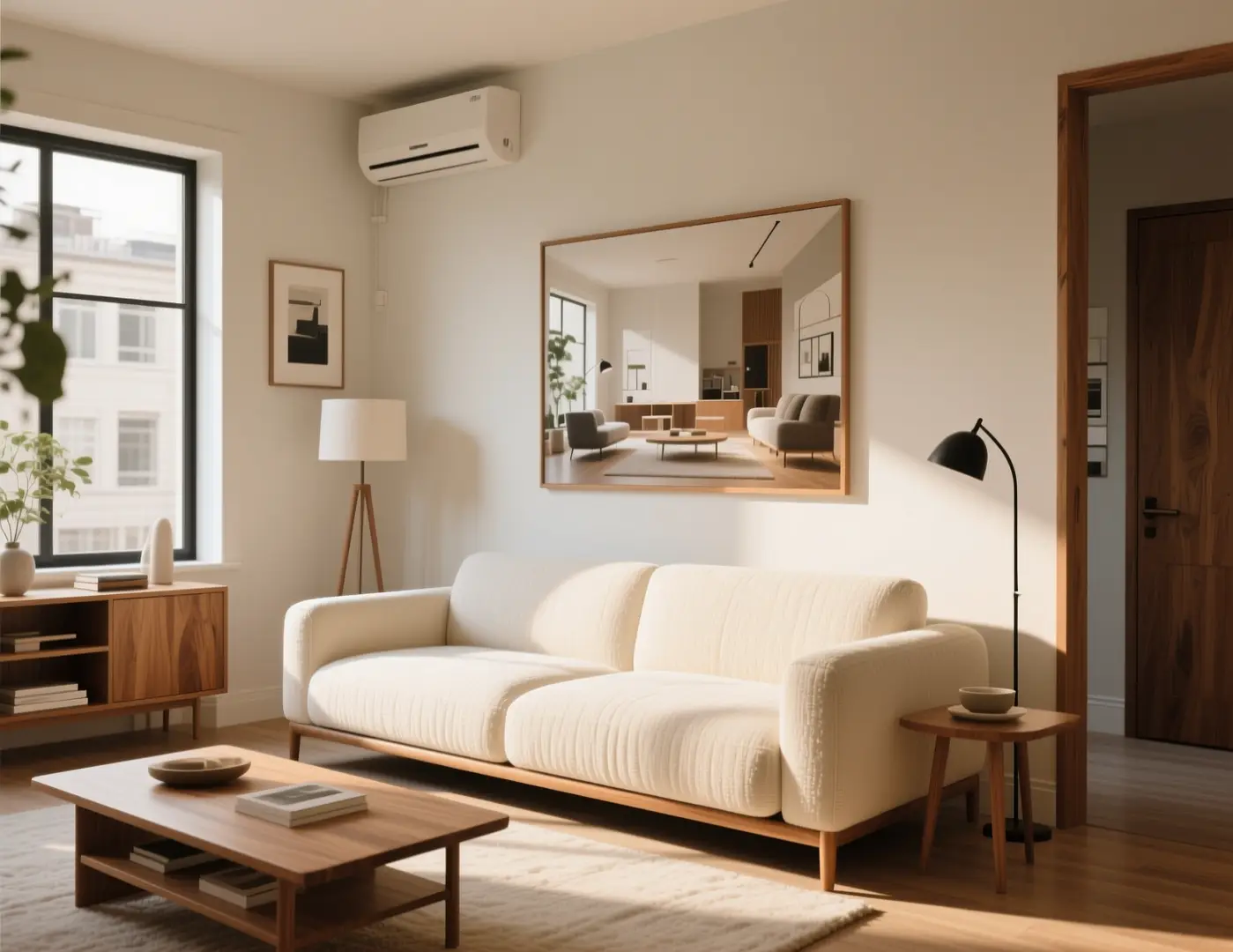
01
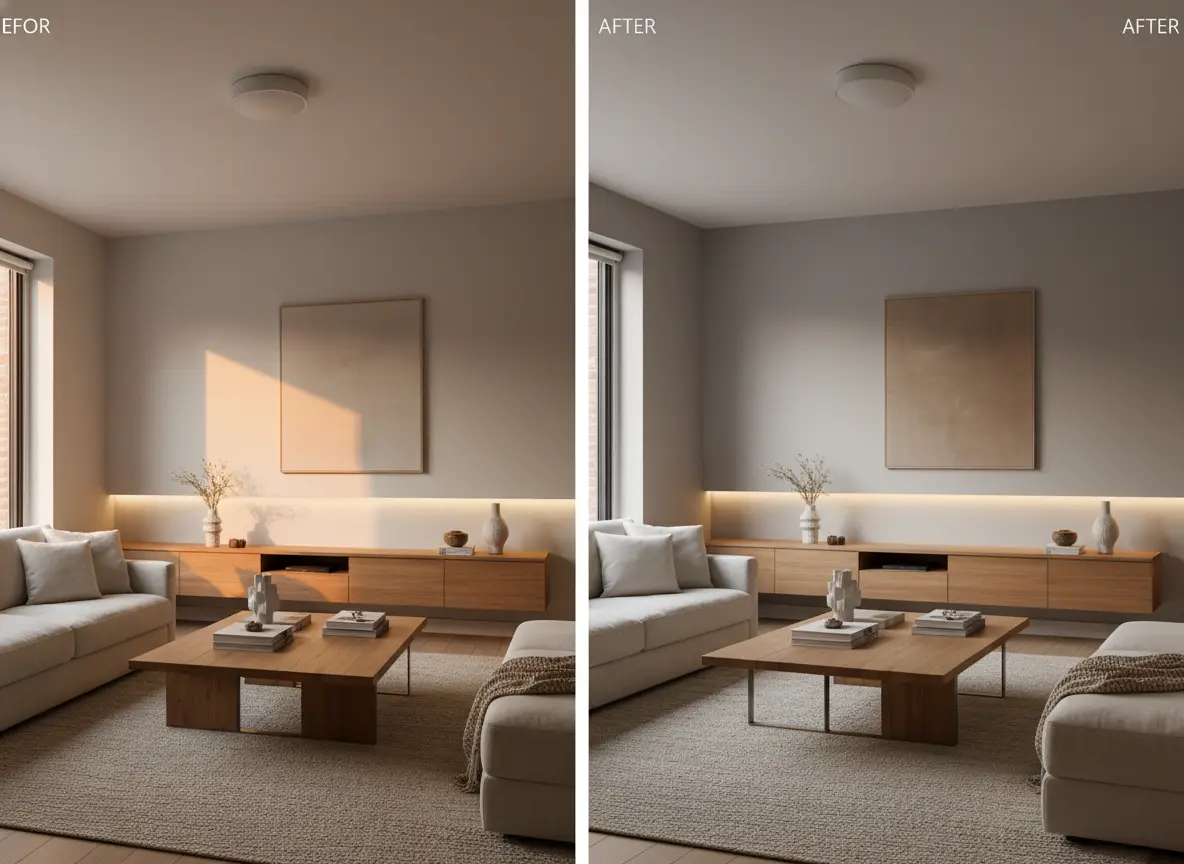
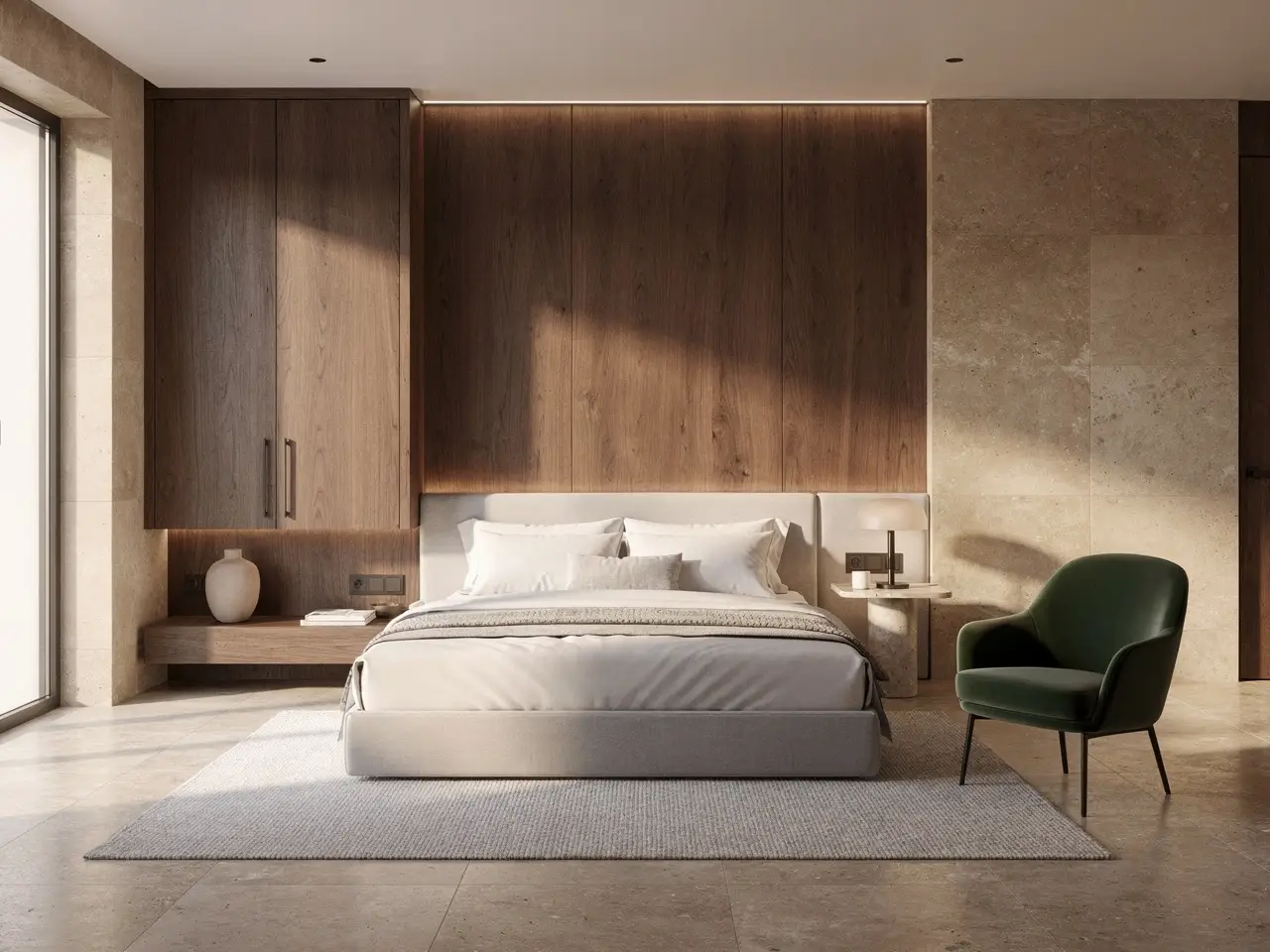
A neutral living room with a sofa, plants, and even daylight makes a strong starting point because the composition is already settled. JoyFun AI Image to Image workflows reward references where the main shapes, lighting direction, and spatial relationships are clear. When you bring that same thinking to VideoAny, you avoid asking the model to invent both structure and surface detail in one pass. JoyFun AI Image to Image users often shoot a quick phone photo of a space or product lineup and use it as the anchor. The workbench accepts that reference and applies your written changes to the existing layout, keeping the bones intact while refreshing the finish.
Keep the living room layout, sofa, plants, and camera height from the uploaded photo. Change only the lighting: cooler overcast window light, slightly deeper shadows under the coffee table, same furniture, no extra windows or chairs.Open the workbench and upload your first reference image.
Different visual goals call for different input strategies. These scenarios show how to approach catalog work, interior updates, and packaging boards with a reference-first mindset.
The following examples illustrate how specific reference images guide different kinds of rewrites. Each visual represents a starting point and a set of choices about what to preserve and what to transform.
Illustrative references. Not verified VideoAny input/output pairs.
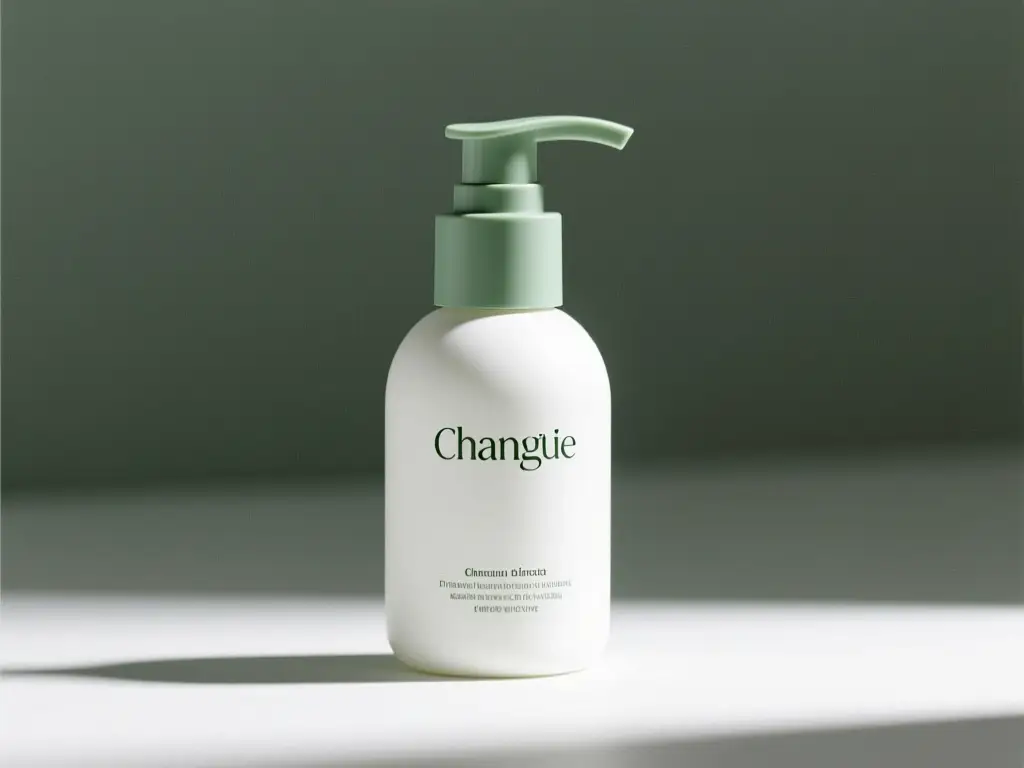
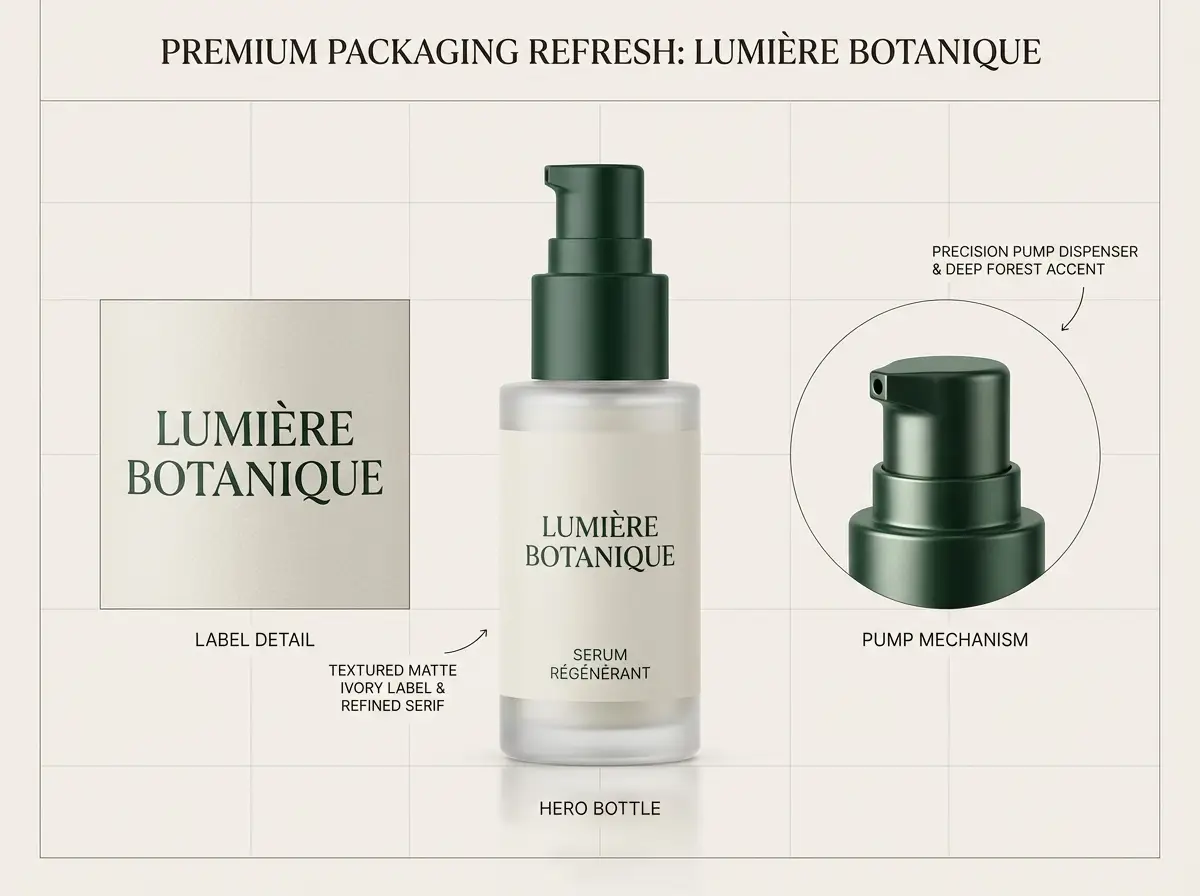
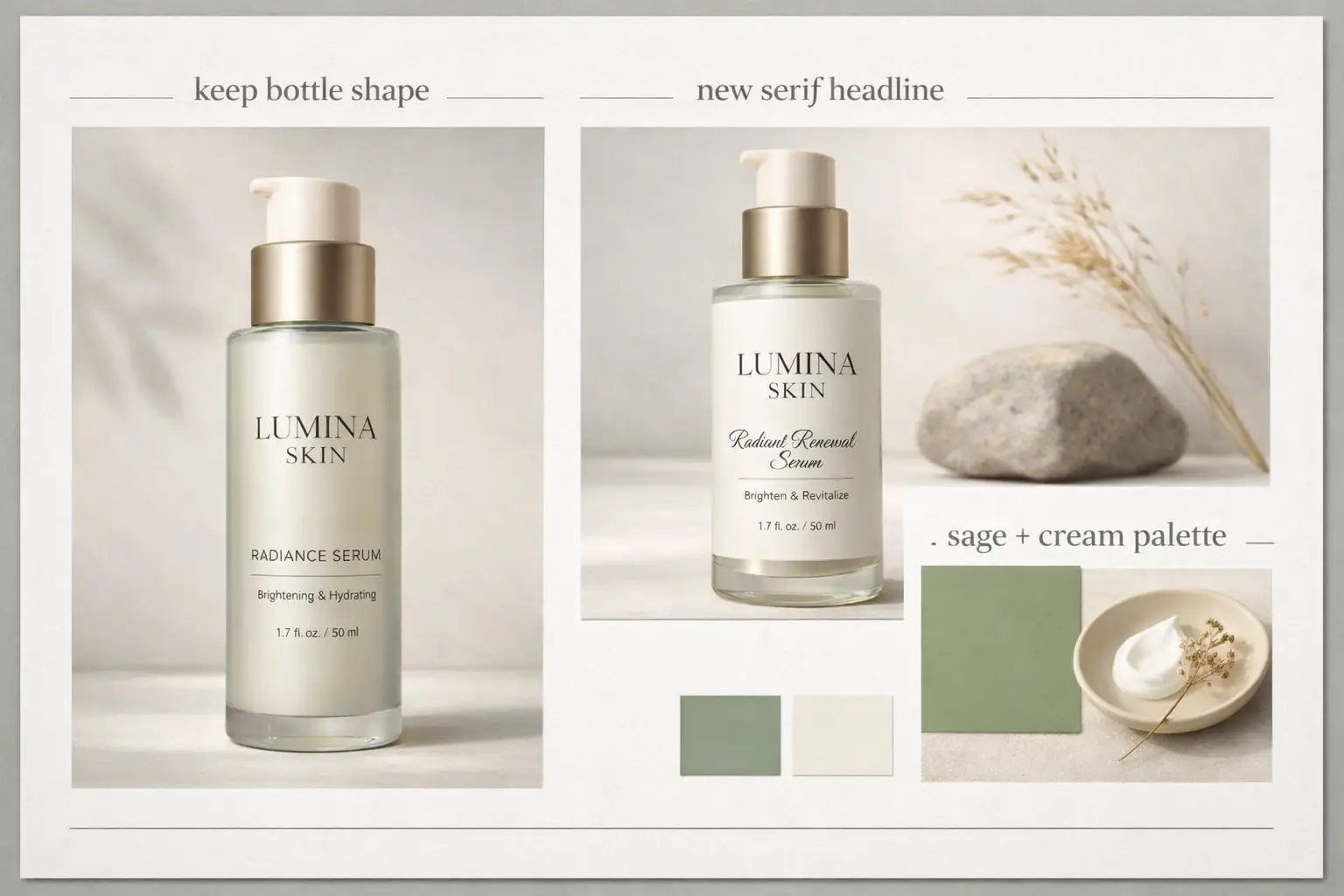
Skincare packaging arranged as a reference-guided refresh board shows how a single well-composed photo can anchor multiple product variants. JoyFun AI Image to Image users often photograph a lineup of jars and tubes on a neutral surface, then use that frame to test new label designs, cap colors, or box finishes. In VideoAny, you upload the board and describe the changes per item, keeping the arrangement and camera angle fixed. JoyFun AI Image to Image workflows benefit from this approach because the spatial relationships between products stay consistent, making the refreshed board look like a single shoot rather than a composite.
Illustrative source for a label-aware packaging rewrite.
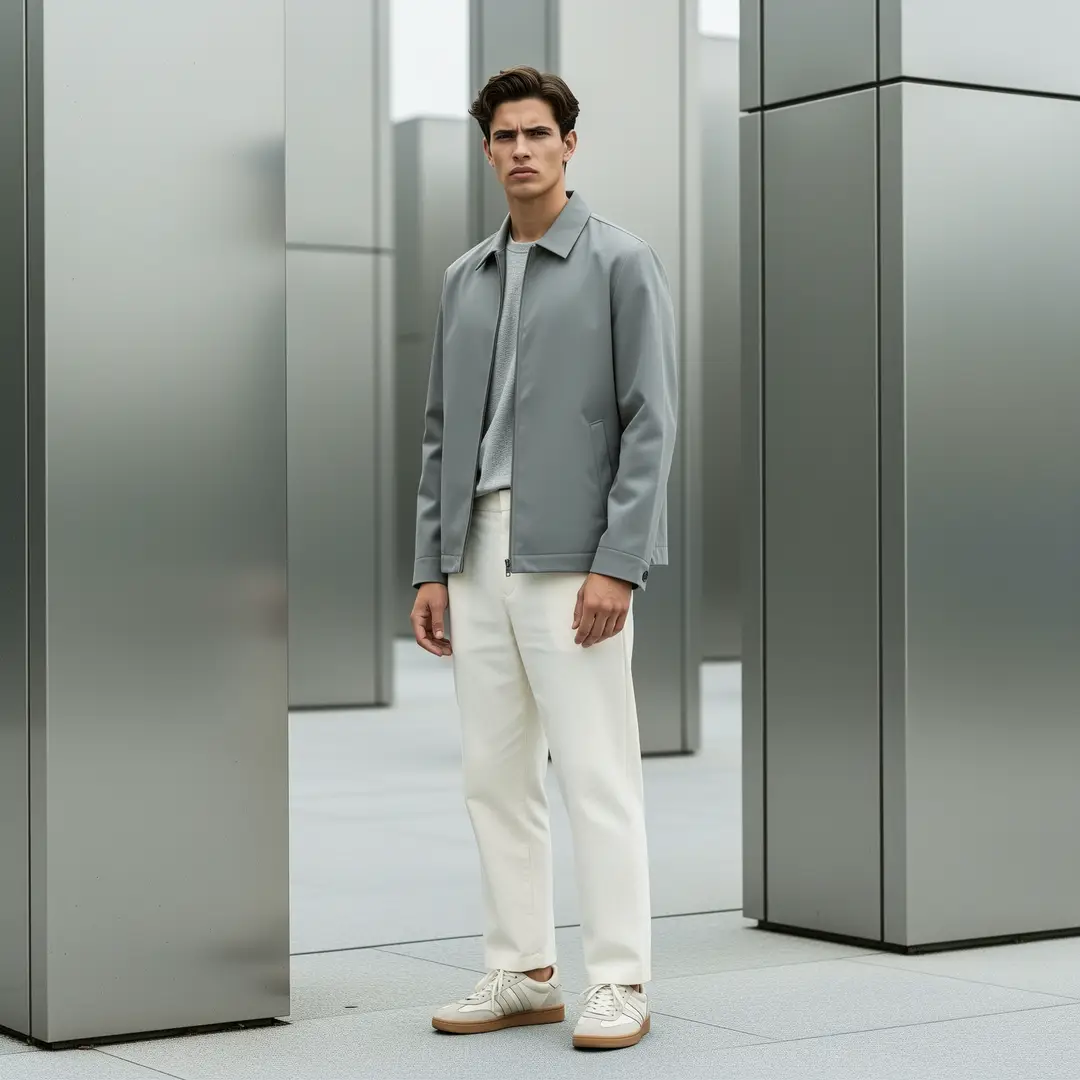
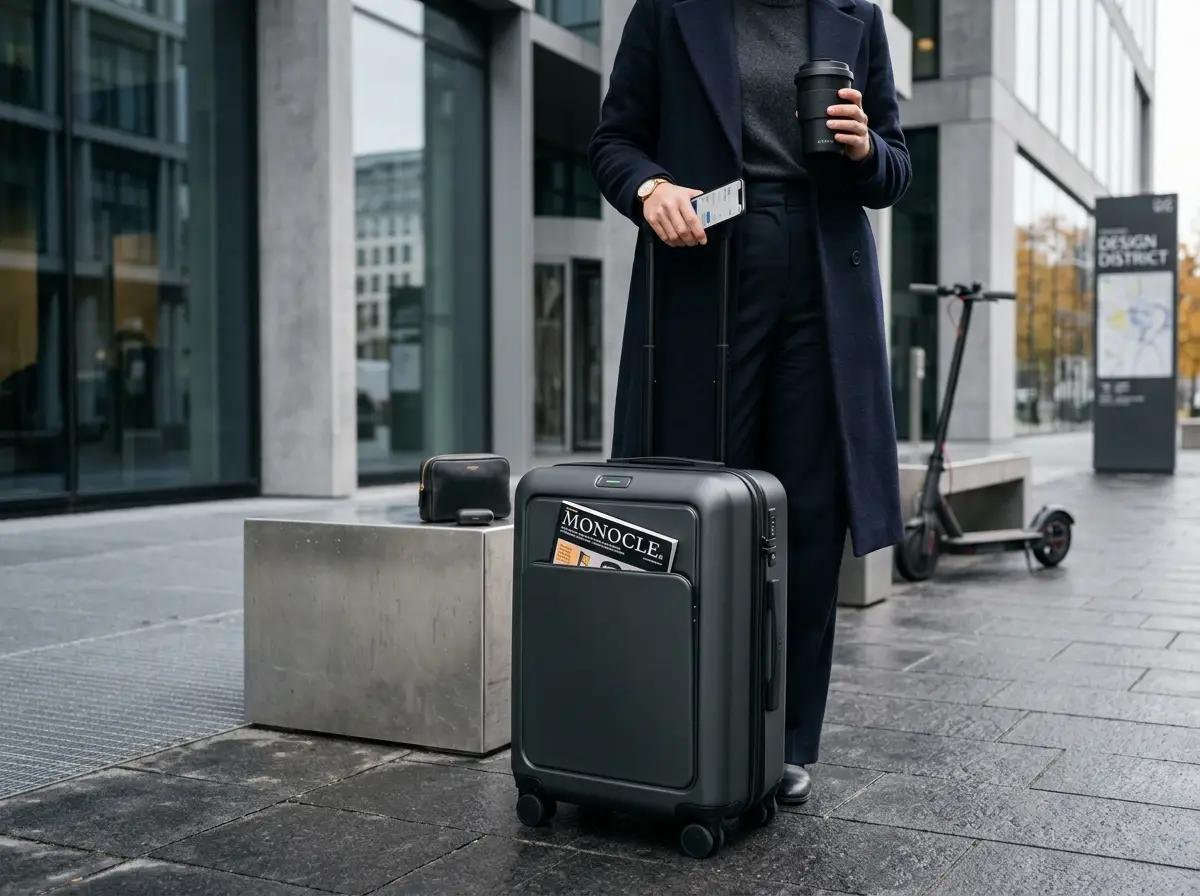
A streetwear lookbook frame of an adult in a structured jacket demonstrates how a reference can carry the pose, lighting, and background while you change the garment. JoyFun AI Image to Image tasks in fashion often start with a well-lit full-body photo and a brief that swaps fabric, color, or silhouette details. VideoAny accepts that reference and applies your description, keeping the model's stance and the studio lighting intact. JoyFun AI Image to Image practitioners use this to generate a season's worth of lookbook images from a small set of base photos, reviewing each output for drape and texture accuracy.
Small adjustments to your reference and description can make a large difference in output quality. These tips focus on preparation, instruction length, and the review habits that lead to fewer retries.
01
A reference that includes irrelevant background or multiple subjects forces the model to guess which part matters. JoyFun AI Image to Image users learn to crop tightly to the area they want to rewrite, removing distracting edges and secondary objects. In VideoAny, you can crop before upload or use the workbench controls to frame the region of interest. JoyFun AI Image to Image tasks that start with a clean, focused source produce outputs that stick closer to the brief because the model has less to interpret. Check that the cropped frame still contains the structural elements you plan to keep.
02
It is tempting to write a long list of everything that must stay the same, but that can confuse the model as much as a vague description. JoyFun AI Image to Image practitioners find that naming two or three fixed elements—the product shape, the light direction, the camera height—and then describing the changes in detail works better. In VideoAny, a concise keep list paired with a specific change description gives the Seedream 5 Pro model clear boundaries.
03
A side-by-side comparison reveals small drifts in proportion, color, or detail that are easy to miss when you view the output alone. JoyFun AI Image to Image workflows benefit from opening the reference and the new still in adjacent tabs or windows. In VideoAny, your generation history keeps both accessible, so you can toggle between them. JoyFun AI Image to Image users often check the edges of objects, the consistency of text or labels, and the shadow positions before approving a result. Catching a small error early lets you adjust one clause and resubmit instead of starting over.
These questions cover file preparation, description strategy, result evaluation, and credit usage. Each answer is grounded in how the VideoAny workbench operates with the Seedream 5 Pro model.
The workbench accepts a single reference image and a text description of the changes you want. JoyFun AI Image to Image users often ask about file types and description length, and the same considerations apply here. Upload a clear, well-lit photo in a common format, and write a concise brief that separates what must stay from what can change. JoyFun AI Image to Image tasks do not require you to describe the whole picture again; focus on the differences. The model uses your reference for everything you do not explicitly alter, so a short, targeted description usually works better than a long paragraph that repeats visual details already present in the source.
A clear, well-lit photo in a common format such as JPEG or PNG works best. The reference should show the subject against a plain or uncluttered background so the model can distinguish the main shapes from the surroundings. Avoid heavily compressed or low-resolution files, as missing detail can lead to unpredictable outputs.
Follow this sequence to move from a raw reference to a reviewed output. Each step builds on the previous one, and the workbench controls are arranged to support this flow.
Start by selecting a photo that contains the subject, composition, and lighting you want to preserve. JoyFun AI Image to Image tasks begin the same way: pick one strong reference rather than a collage or a heavily edited composite. In VideoAny, upload the file and use the crop tool to frame exactly the area you plan to rewrite. JoyFun AI Image to Image users often remove logos, background clutter, or secondary objects at this stage so the model focuses on the main subject. A clean, tightly cropped reference gives the Seedream 5 Pro model a clear anchor, reducing the chance that it invents unwanted details in the empty space.
With your reference in place, write a brief description that lists what must stay fixed and what should change. JoyFun AI Image to Image practitioners often use bullet points in a notepad before typing into the workbench: keep the bottle shape and light direction, change the label color to navy and the cap to matte black. In VideoAny, enter that description, select Seedream 5 Pro as the model, and set the aspect ratio to match your reference or your final output format. JoyFun AI Image to Image workflows benefit from locking these settings early because changing the ratio later can shift the composition and require a new reference crop.
Submit the task and open the result alongside your reference. JoyFun AI Image to Image users check the output against the keep list first: are the fixed elements still present and correctly positioned? If something drifted, identify which clause in your description likely caused the shift and edit only that part. In VideoAny, resubmit with the adjusted description while keeping the reference and settings unchanged. JoyFun AI Image to Image practitioners find that isolating the fix to one clause preserves the parts of the output that already worked, saving credits and keeping the iteration focused. Repeat until the result meets your fidelity bar, then download or move the file into a clip workflow.
Before you open the workbench again, take a moment to freeze your brief, cap your retry budget, and define what an acceptable result looks like. These habits turn a single rewrite into a repeatable process.
A mood description like make it feel premium leaves too much room for interpretation. JoyFun AI Image to Image users who get consistent results write their brief as a short keep list and a specific change list, then lock that wording before running multiple variants. In VideoAny, paste the frozen brief into each new task that shares the same reference. JoyFun AI Image to Image workflows reward this discipline because the model responds to concrete instructions more predictably than to abstract adjectives. If a client asks for a tweak, you can adjust one clause and rerun without rewriting the whole description from memory.
Decide how many credits you are willing to spend on a single reference before you start. JoyFun AI Image to Image tasks can consume credits quickly if you chase a perfect result without a stopping rule. In VideoAny, the workbench shows the cost per submission, so multiply that by your retry cap to set a maximum budget for the file. JoyFun AI Image to Image practitioners often allow three to five attempts per reference, then either accept the best output or switch to a different source photo. This cap keeps a single image from eating into the credit pool you need for other deliverables.
Define what good enough means for the project before you open the first output. JoyFun AI Image to Image users often list two or three must-pass checks: label text must be legible, product shape must match the reference, shadows must fall in the same direction. In VideoAny, use that checklist to evaluate each result quickly. JoyFun AI Image to Image workflows move faster when you can reject an output in seconds because it fails a pre-set criterion, rather than staring at the image and wondering if it feels right. Write the checklist down and keep it visible during your review session.

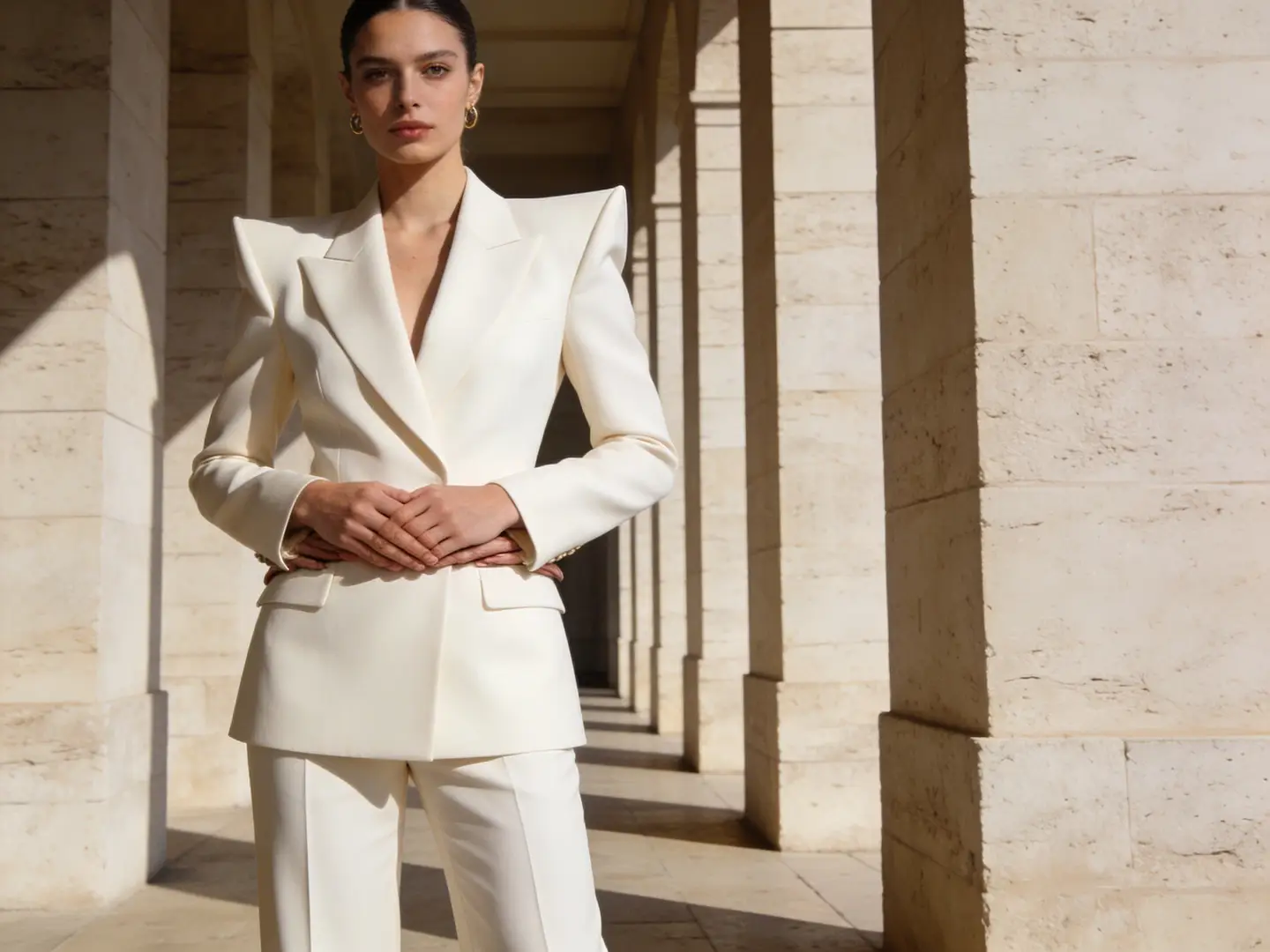
02
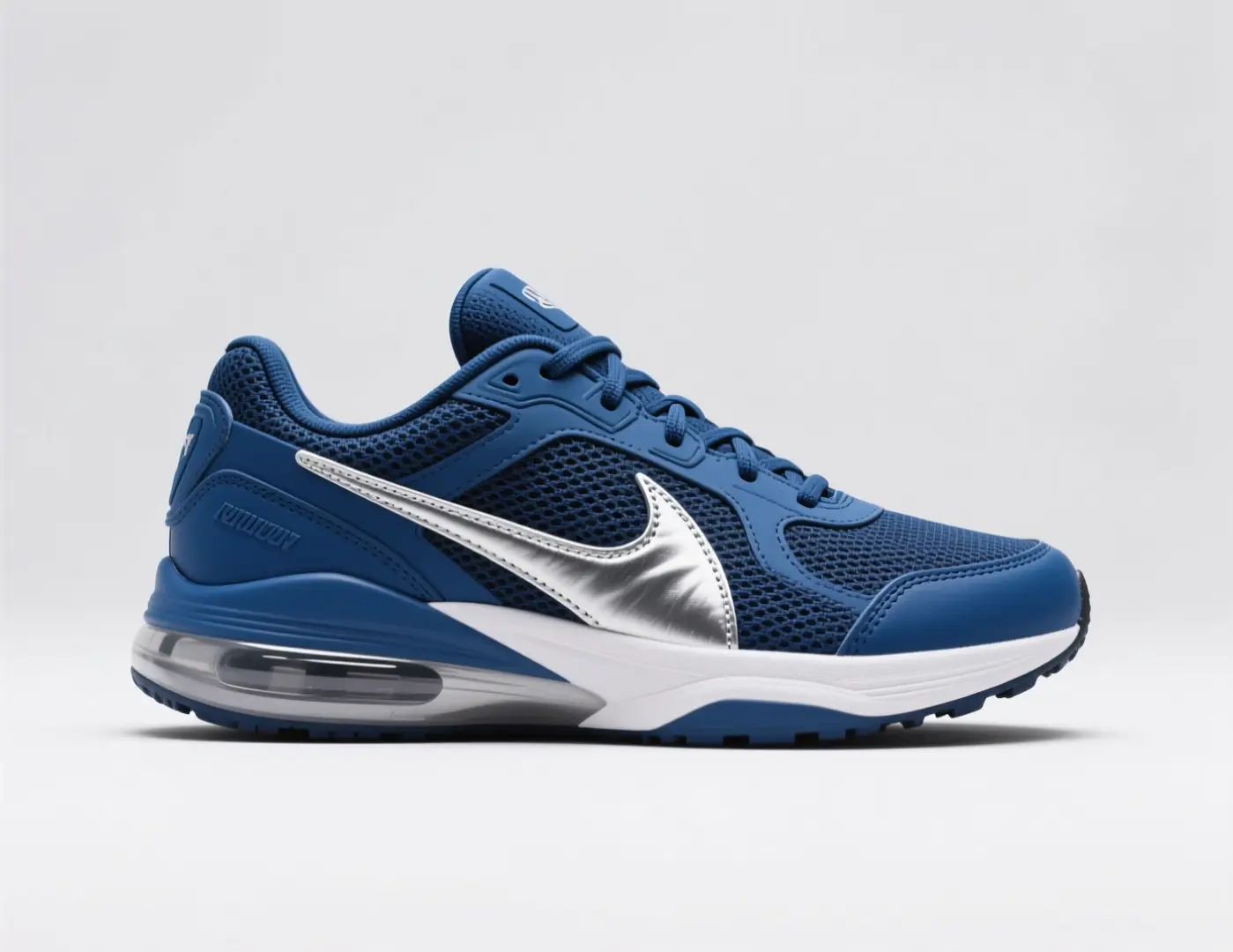
A navy athletic sneaker with a pale sole on a plain background is a good test case for keep-and-change instructions. JoyFun AI Image to Image tasks succeed when you list the elements that must remain fixed—the silhouette, the sole color, the viewpoint—and separately describe what can shift, such as the upper material or background tone. In VideoAny, you write a concise description that follows the same pattern, and the Seedream 5 Pro model uses your reference to anchor the unchanged parts. JoyFun AI Image to Image practitioners find that a short keep list paired with a specific change list produces more predictable results than a long, vague mood description.
From the uploaded sneaker photo, retain the last, sole shape, stitching, and three-quarter angle. Request a colorway change only: deep burgundy upper, off-white midsole, no extra logos, same catalog crop.Open the workbench and upload your first reference image.
03
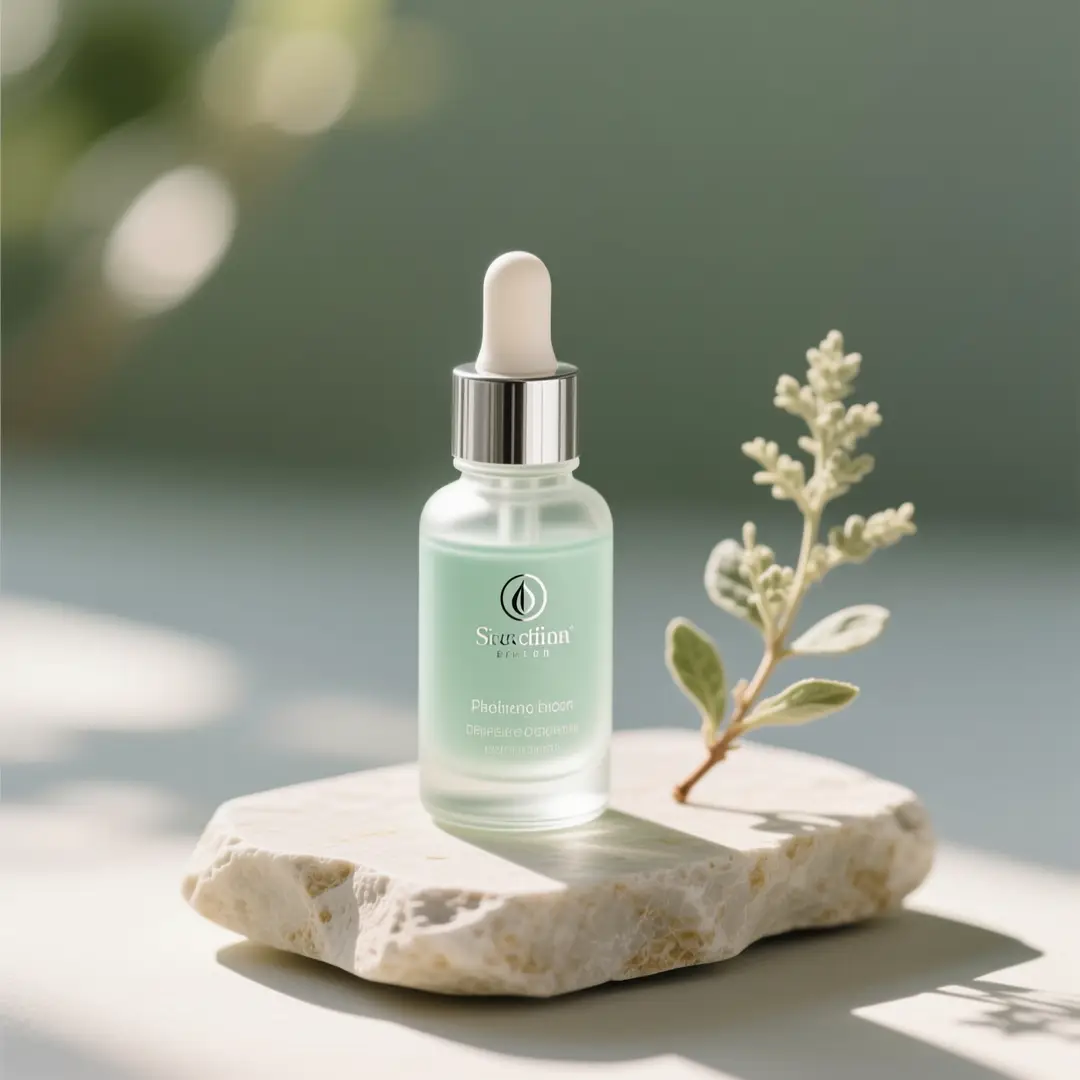
A cosmetic glass dropper bottle with flowers on a neutral surface can be adapted into a seasonal variant or a different colorway without reshooting. JoyFun AI Image to Image is often used to iterate on product hero shots, and VideoAny supports the same restyling approach. You upload the existing still, describe the new label color, background texture, or prop swap, and submit. JoyFun AI Image to Image users value this because it keeps the bottle shape, lighting, and camera angle consistent across a range of variants. The workbench shows the credit cost upfront, so you can plan a batch of restyles against a single reference.
Keep the dropper bottle, cap, scale, and front-facing crop from the upload. Do not invent extra label lettering. Move the set onto cool slate with a window wash from the left and a quieter floral accent.Open the workbench and upload your first reference image.
Illustrative lookbook source for a venue or lighting change.
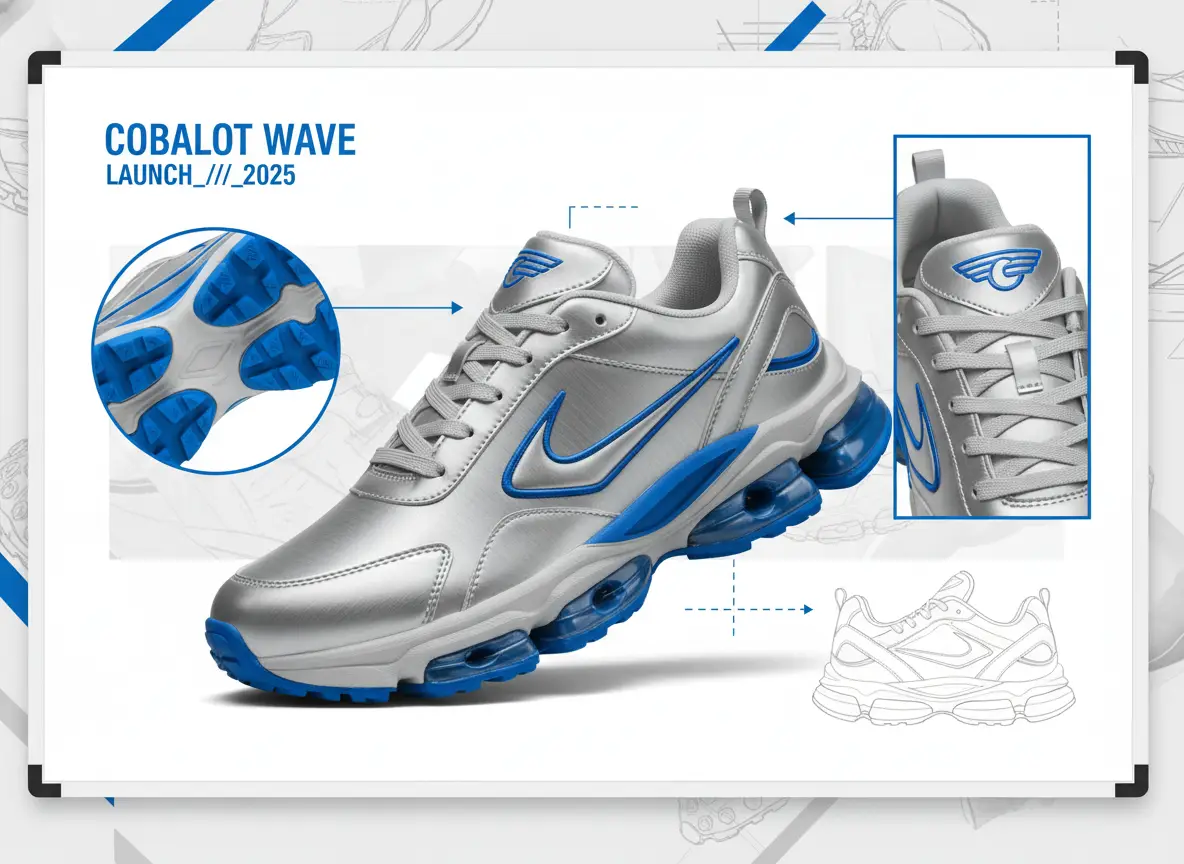
A multi-image sneaker board showing colorway variations on a studio field starts with a single clean product shot. JoyFun AI Image to Image workflows let you lock the shoe's shape, sole unit, and camera angle, then describe new upper colors, material mixes, and lace treatments. In VideoAny, you upload the base still and run a series of generations, each with a different colorway description. JoyFun AI Image to Image users often arrange the outputs into a grid for client review, confident that the proportions and lighting match across every variant because they all trace back to the same reference.
Illustrative board for colorway tests from one source shoe.
Creator workflow notes
Working habits for a referenced rewrite, not user reviews
These notes describe common ways to run a keep-and-change pass. They are not user reviews, ratings, or promises about a specific result.
Lighting rewrite
Interior workflow
Keep furniture count and camera height. Change only the window light. If a new chair appears, the change list was too broad.
Colorway rewrite
Product workflow
Keep last, stitching, and angle. Change only the upper color. Inspect the sole and any label area against the upload.
Finish rewrite
Illustration workflow
Keep pose and staging lines. Name the new medium in one clause. Check hands, eyes, and lettering before you accept the plate.
No. Focus your description on the elements you want to change, such as color, material, or background. The model retains the structure, lighting, and composition of your reference for everything you do not explicitly alter. A short, specific brief usually produces a more accurate result than a long paragraph that repeats details already visible in the source.
Evaluating an output requires a side-by-side check of the reference and the new still. JoyFun AI Image to Image users often ask why a result invented objects or altered an area they wanted to keep, and the answer usually lies in the description or the reference itself. If the model added elements that were not in the photo, your prompt may have implied a scene that the model tried to complete. Locking one region while freely restyling the rest is possible by naming the fixed area in your keep list and describing the changes for everything else. JoyFun AI Image to Image practitioners refine the clause that failed rather than rewriting the whole brief, which saves credits and keeps the parts that already worked.
The model may have interpreted your description as calling for a fuller scene. If you mention a setting or prop without specifying its relationship to the existing objects, the model can fill in what it thinks belongs. Tightening the description to name only the changes you want, and keeping the reference free of distracting background elements, reduces these additions.
Yes. Name the region or object you want to preserve in your keep list, and describe the changes for the surrounding areas. The model will hold the locked region steady while applying your restyle instructions to the rest of the frame. Test with a small change first to confirm the boundary behaves as you expect.
Every generation task in VideoAny uses account credits, and the cost is displayed in the workbench before you submit. JoyFun AI Image to Image users sometimes wonder whether the credit spend is the same as generating without a reference; the workbench shows the specific cost for the image-to-image task you configure, which may differ from text-to-image generation. If you need a new idea that the reference should not constrain, start a separate text-to-image task instead of trying to force the reference-based workflow to ignore the source. JoyFun AI Image to Image is designed for rewrites where the original structure matters; for open-ended exploration, a blank-canvas approach gives the model more freedom.
The workbench displays the specific credit cost for the image-to-image task you configure before you submit. This cost may differ from a text-to-image generation because the model processes both your reference and your description. Check the displayed cost to confirm it fits your budget for that run.
Start a separate text-to-image task. The image-to-image workflow is built to carry structure, composition, and lighting forward from your reference, so it is not the right tool for open-ended exploration. Use a blank-canvas generation when you want the model to invent freely without being anchored to an existing photo.
Joi AI SI
Open the workbench and upload your first reference image.
Before you open the workbench again, take a moment to freeze your brief, cap your retry budget, and define what an acceptable result looks like. These habits turn a single rewrite into a repeatable process.