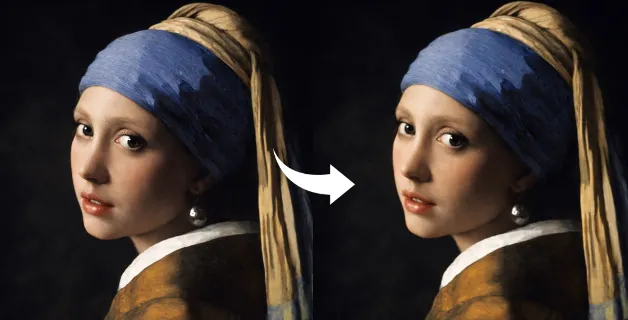
Portrait painting animation reference
 Joi AI SI
Joi AI SI
Explore a capable JoyFun AI Image to Video alternative with the VideoAny workbench, built around the Wan 2.7 Spicy model. This separate service lets you upload a first-frame image, describe a short subject action, and choose a clear camera direction. Because every generation uses account credits, the task cost appears in the workbench before you submit. Completed tasks stay in your generation history for preview and download, so you can inspect framing, subject detail, and visual consistency in each result. Using a JoyFun AI Image to Video alternative means you refine the input and review the clip before adding complexity, without claiming access to another service's accounts or models.
A dedicated JoyFun AI Image to Video alternative gives you a focused workbench where you control the first frame, motion prompt, and output settings directly. VideoAny uses the Wan 2.7 Spicy model and shows the credit cost before submission, so you decide whether to proceed. After generation, clips appear in your history for careful review of subject detail and framing. Working with a separate JoyFun AI Image to Video alternative means you evaluate each result on its own terms, adjusting the input instead of relying on another platform's model behavior or account structure.
01
The workbench begins with a first-frame image upload that defines the subject, composition, and lighting for your clip. Choose a still with clear subject-background separation and avoid heavy motion blur in the source. Once uploaded, the image becomes the starting point for the Wan 2.7 Spicy model. A JoyFun AI Image to Video alternative relies on this initial frame to anchor the generated motion, so inspect framing and subject detail carefully. When you revisit a JoyFun AI Image to Video alternative task, swapping the first frame often changes the output more than adjusting the prompt alone.

02
Write a short subject action and select a camera direction to guide the generation. The prompt field accepts concise descriptions like a slow head turn or gentle fabric movement, while the camera control sets the viewpoint shift. Because the Wan 2.7 Spicy model interprets these together, pairing a simple action with a compatible camera move usually yields more coherent results. In a JoyFun AI Image to Video alternative, the prompt and camera controls are the main creative levers you adjust between attempts. Review each output to see how the JoyFun AI Image to Video alternative model translated your words into motion.

03
Before you submit a task, the workbench shows the exact credit cost for that generation. This upfront display helps you manage your account usage across multiple attempts. Completed clips appear in your generation history, where you can preview the motion and download the file. A JoyFun AI Image to Video alternative keeps your past results accessible so you can compare different prompt and framing strategies. When planning your next JoyFun AI Image to Video alternative task, revisit the history to identify which settings produced the most stable subject edges and natural background movement.
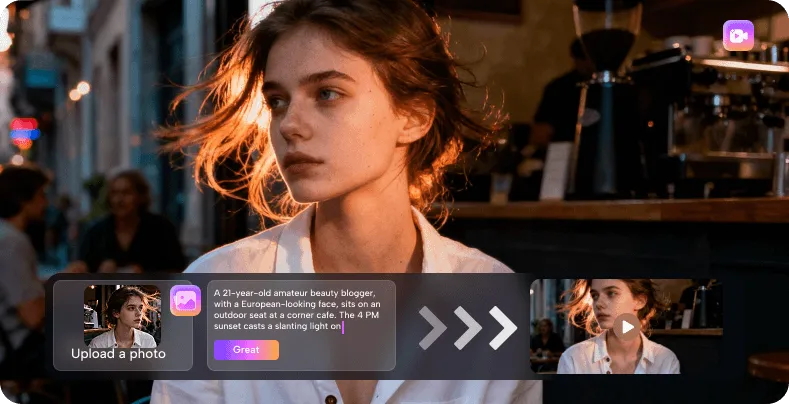
The reference clips on this page illustrate common starting points for a JoyFun AI Image to Video alternative workflow. One example shows a portrait painting with subtle facial motion, another places a portrait on a boat at sunset with gentle water movement, and a third frames a portrait in an architectural courtyard with shifting light. These existing site examples are not proof of outputs from the selected model, but they help you study framing, subject detail, and visual consistency. When you explore a JoyFun AI Image to Video alternative, use such references to plan your own first-frame upload and motion prompt before committing credits.
Once your clip finishes, open the generation history to preview the motion and download the result. Compare the output against your original still image, paying attention to subject edges, background coherence, and whether the camera move matches your prompt. If the clip needs refinement, adjust the first frame or simplify the action description before running another task. A JoyFun AI Image to Video alternative rewards iterative review: each attempt teaches you how the Wan 2.7 Spicy model interprets framing and motion. Use that insight to plan your next JoyFun AI Image to Video alternative generation with a clearer brief.
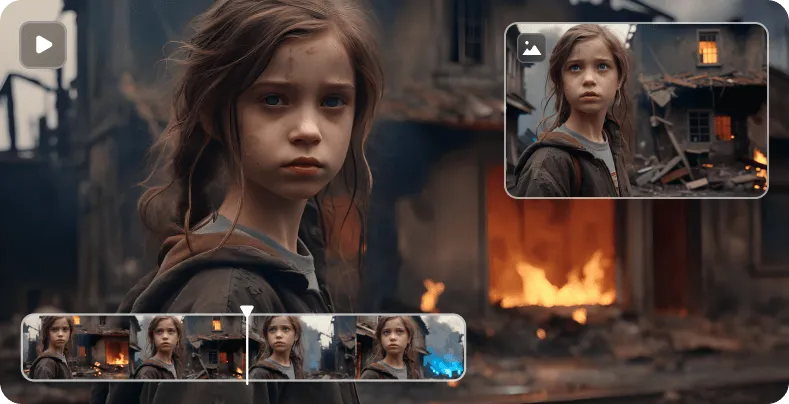
Slow head turn variant
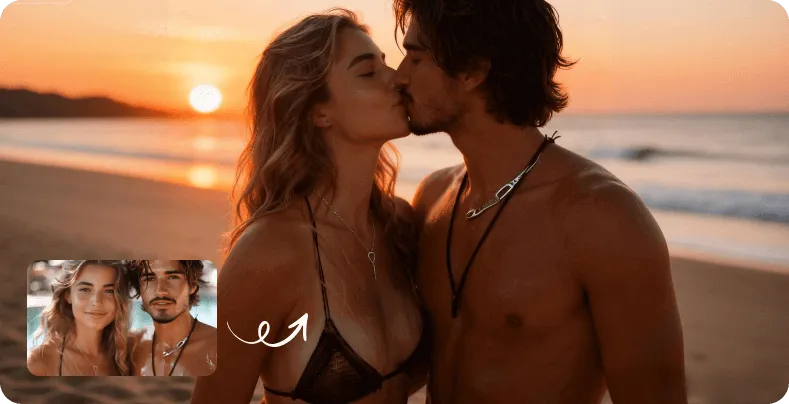
Gentle smile animation
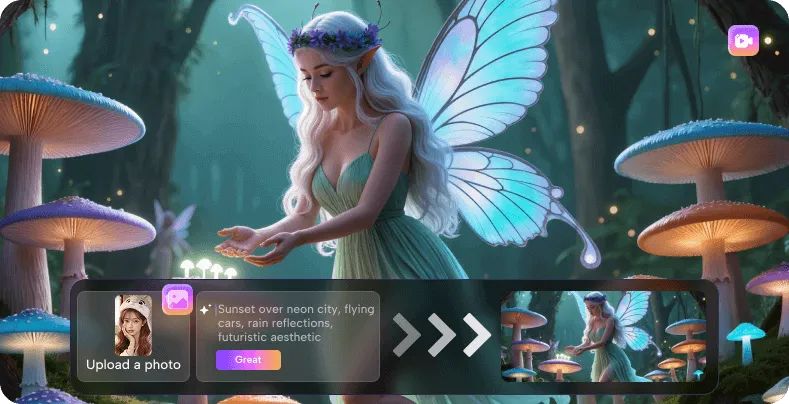
Lateral camera pan
Slow zoom-in motion
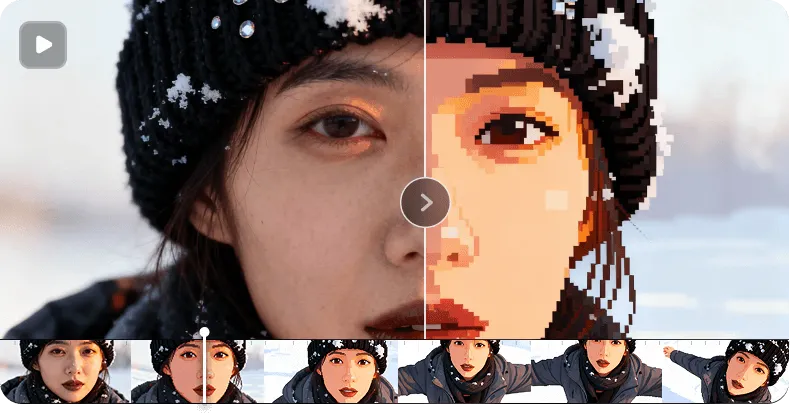
Fabric movement study
Effective prompts in a JoyFun AI Image to Video alternative start with a short subject action and a clear camera direction. Choose a single motion verb, keep the background description minimal, and let the first-frame image carry the visual detail. The workbench displays the credit cost before submission, so you can experiment with different prompt lengths without surprise. After generation, review the clip for subject consistency and framing accuracy. A JoyFun AI Image to Video alternative works best when you treat each control as a deliberate creative decision rather than a one-click transformation.
Many users ask how a JoyFun AI Image to Video alternative differs from the original service. VideoAny operates independently with its own credit system, model selection, and generation history. You upload a still image, describe the desired motion, and review the output without accessing another platform's accounts. Another frequent question concerns prompt writing: short action phrases with a clear camera direction tend to produce more coherent results. Understanding these basics helps you get started with a JoyFun AI Image to Video alternative and set realistic expectations for each task.
VideoAny is a separate JoyFun AI Image to Video alternative that uses its own credit system, model selection, and generation history. You upload a still image, write a motion prompt, and review the output without accessing another service's accounts or models. The Wan 2.7 Spicy model powers the generation, and the workbench displays the credit cost before submission. Because model behavior and input settings differ between services, this JoyFun AI Image to Video alternative does not claim to replicate another platform's results or account features.
Choose a still image with a clearly defined subject and a background that does not compete for attention. Frontal portraits, full-body shots with visible limbs, and scenes with distinct foreground elements tend to produce more coherent motion. Avoid source files with heavy motion blur, extreme close-ups that crop the subject, or busy patterns that confuse the model. In a JoyFun AI Image to Video alternative, the first frame largely determines the output quality, so inspect framing and subject detail before uploading. A well-composed source reduces the need for multiple credit-consuming attempts.
The workbench displays the exact credit cost for a generation before you submit the task. The cost reflects the selected model and settings, allowing you to decide whether to proceed. Completed tasks appear in your generation history for preview and download. A JoyFun AI Image to Video alternative uses this upfront display to help you manage account usage across multiple attempts. Check the cost each time you change the model or input parameters, as different configurations may require different credit amounts.
Completed clips are available for preview and download from your generation history. Review each output for subject consistency, background stability, and overall motion plausibility before using it in a project. A JoyFun AI Image to Video alternative provides the workbench and model, but you are responsible for evaluating whether the result meets your needs. The reference clips on this page are existing site examples, not proof of outputs from the selected model, so assess your own generations independently.
The Wan 2.7 Spicy model interprets the first frame and prompt together, and small changes in the source image can shift the output significantly. Lighting, subject pose, and background complexity all influence how the model generates motion. A JoyFun AI Image to Video alternative encourages iterative refinement: adjust one variable at a time and compare the results in your generation history. This approach helps you understand how the model responds to different input combinations without assuming consistent behavior across every attempt.
The workbench includes camera direction controls that let you specify a viewpoint shift such as a slow zoom, lateral pan, or subtle tilt. Pair the camera move with a compatible subject action to create a coherent clip. In a JoyFun AI Image to Video alternative, the camera setting works alongside the motion prompt, so choose a direction that complements the composition of your first frame. Review the output to see how the model interpreted the combined instructions, and adjust the camera choice in subsequent attempts if needed.
请同时确认模型服务条款、图片和音乐授权,以及你的 Joi AI SI 账户方案。只有在这些条件都满足时,才适合用于商业发布。
This JoyFun AI Image to Video alternative tutorial walks through uploading a first frame, writing a motion prompt, selecting the Wan 2.7 Spicy model, and reviewing the result. Start with a well-composed still image where the subject is clearly separated from the background. Write a concise action phrase and pick a camera direction that complements the composition. Submit the task after checking the displayed credit cost, then open the completed clip in your history. A methodical JoyFun AI Image to Video alternative workflow helps you understand how each input choice shapes the final motion.
These editorial notes reflect typical observations when evaluating a JoyFun AI Image to Video alternative. Reviewers examine whether the subject motion stays within natural bounds, how the background elements respond to the camera move, and whether fine details remain consistent across frames. Rather than endorsing any service, the notes highlight what to look for in your own outputs. A thorough JoyFun AI Image to Video alternative assessment considers framing stability, edge artifacts, and the overall plausibility of the generated movement before deciding to use the clip in a project.
When evaluating a JoyFun AI Image to Video alternative output, start by checking whether the subject remains within the intended frame boundaries throughout the clip. Edge warping or unexpected cropping often indicates that the first frame composition needs adjustment. Compare the generated motion against the original still image to see if the framing holds steady. A systematic JoyFun AI Image to Video alternative review includes noting any drift in subject position and deciding whether a tighter or wider source crop would improve the next attempt.
Framing Assessment
Editorial review task
Assess whether the subject action follows a natural trajectory without sudden jumps or unnatural distortions. The Wan 2.7 Spicy model interprets the prompt and first frame together, so implausible motion often traces back to an ambiguous action description. In a JoyFun AI Image to Video alternative workflow, watching the clip at full size reveals subtle inconsistencies that thumbnails hide. A careful JoyFun AI Image to Video alternative review notes whether the motion speed matches the prompt and whether secondary elements like hair or fabric move convincingly.
Motion Plausibility Check
Editorial review task
The background should move in a way that supports the camera direction without pulling attention from the subject. Check for warping along architectural lines, flickering textures, or elements that appear to slide independently of the scene. A JoyFun AI Image to Video alternative generation with a complex background benefits from a simple subject action and a clear camera move. During a JoyFun AI Image to Video alternative review, note whether the background depth and perspective remain consistent from the first frame to the last.
Background Coherence Review
Editorial review task
Examine whether the lighting direction, shadow placement, and color temperature stay stable across the generated frames. Shifting light sources or flickering highlights can distract from the subject motion. In a JoyFun AI Image to Video alternative task, the first frame sets the lighting conditions, and the model attempts to maintain them during motion. A thorough JoyFun AI Image to Video alternative review compares the initial and final frames side by side to catch any gradual color shifts or exposure changes that affect visual continuity.
Lighting and Color Consistency
Editorial review task
After reviewing the output, write a short note about which prompt element worked and which needs adjustment for the next attempt. If the subject motion was too subtle, try a stronger action verb; if the background warped, simplify the camera direction. A JoyFun AI Image to Video alternative session improves when you treat each generation as a learning step. Documenting your JoyFun AI Image to Video alternative observations helps you build a personal set of effective prompt patterns for the Wan 2.7 Spicy model.
Prompt Refinement Notes
Editorial review task